
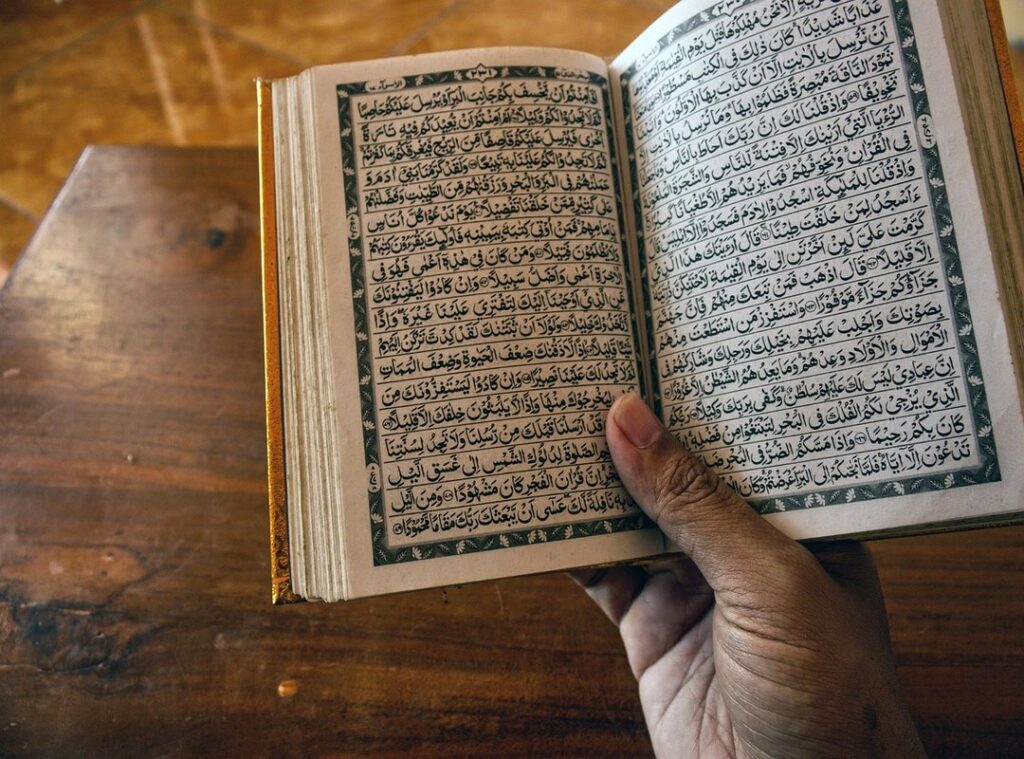
I’ve always been fascinated by the beauty and depth of quran quotes in tamil and arabic. It’s amazing how these verses can touch people’s hearts, no matter what language they’re in. But let’s be real, diving into a new language, especially for something as profound as the Quran, can feel daunting.
Do you ever wonder how to connect with these verses if you’re not fluent in Arabic or Tamil? I know I did, and that’s why I’m here to help.
We’ll break it down, make it simple, and get you feeling more connected to the Quran’s teachings. Trust me, it’s worth it.
So, let’s dive in and explore these beautiful quotes together.
Understanding the Quran
The Quran is the holy book of Islam, believed by Muslims to be the word of God as revealed to the Prophet Muhammad. It’s a guide for living and a source of spiritual and moral teachings.
Understanding the Quran can bring a lot of clarity and peace to your life. It offers guidance on how to live ethically and find inner peace.
Definition
The Quran is divided into 114 chapters, called Surahs, and each Surah contains verses, known as Ayahs. This structure makes it easier to read and reference specific passages.
Structure
| Surahs | Ayahs |
|---|---|
| 114 | 6,236 |
Each Surah has its own unique message and theme, making the Quran a comprehensive and diverse text.
Languages
The Quran was originally revealed in Arabic, and many Muslims believe that reading it in its original language is the most authentic way to experience its beauty and power. However, translations are available in many languages, including Tamil, to make it accessible to a wider audience.
Here’s a verse in both Arabic and Tamil:
Arabic:
الَّذِينَ يُؤْمِنُونَ بِالْغَيْبِ وَيُقِيمُونَ الصَّلَاةَ وَمِمَّا رَزَقْنَاهُمْ يُنفِقُونَ
Tamil:
அவ்விழையாமல் நம்பும் மற்றும் நமाज் படுகின்றனர், அவர்களுக்கு உதவிய பொருளிலிருந்து சமமாகப் பகிர்வதில் தீர்மானித்தவர்கள்
Reading the Quran in different languages helps you connect with the text in a personal way, making its teachings more relatable and impactful. Whether you read it in Arabic or Tamil, the benefits of understanding and reflecting on its messages are immense.
How to Read and Understand Quranic Verses in Tamil and Arabic
First things first, let’s talk about the languages. If you’re new to Tamil and Arabic, it can feel a bit overwhelming. But don’t worry, I’ve got some tips.
FAMILIARIZE YOURSELF WITH THE LANGUAGES
Start with the basics, and learn the Tamil and Arabic alphabets. It’s like learning to ride a bike; once you get the hang of it, it becomes second nature.
You might find Tamil easier if you’re already familiar with other Indian languages. Arabic, on the other hand, has a different script and direction (right to left). Both have their unique challenges, but they’re both beautiful and worth the effort.
USE RELIABLE TRANSLATIONS
Now, let’s talk translations, and you need to be careful here. Not all translations are created equal.
Some are more accurate and reliable than others.
For Tamil, look for well-known publishers and scholars. The same goes for Arabic, and stick with reputable sources.
This way, you can be sure you’re getting the most authentic and accurate interpretation.
CONTEXTUAL UNDERSTANDING
Understanding the context is key. A verse can mean one thing in one situation and something else in another. Without context, you might miss the deeper meaning.
Take this verse, for example:
In Tamil: “அல்லாஹு என்பவர் தான் உங்களின் வலியுறுத்தும் நீரை மேலும் அதிகமாக வழங்குவார்”
In Arabic: “اللَّهُ الَّذِي يُرْسِلُ الرِّيَاحَ فَتُثِيرُ سَحَابًا فَيَبْسُطُهُ فِي السَّمَاءِ كَيْفَ يَشَاءُ”
Without knowing the background, you might not fully grasp its significance. Context helps you see the bigger picture.
By following these steps, you’ll be better equipped to read and understand the Quran in both Tamil and Arabic. It’s a journey, but a rewarding one.
Quranic Quotes in Tamil and Arabic: Examples and Explanations
When I first started exploring quran quotes in tamil and arabic, I made a few mistakes. I thought I could just translate the verses without understanding their deeper meanings. Boy, was I wrong.
Faith and Belief this guide
Arabic: وَإِذَا رَأَوْا آيَاتِ اللَّهِ يَسْتَكْبِرُونَ بِهَا ۖ أُولَٰئِكَ سَتَصِيبُهُمْ عَذَابٌ شَدِيدٌ فِي الدُّنْيَا وَالْآخِرَةِ ۚ وَمَا لَهُمْ مِنْ دُونِ اللَّهِ مِنْ وَاقٍ
Tamil: அல்லாஹின் நினைவுகளைப் பார்க்கும்போது, அவர்கள் அவற்றை மாற்றுபடுத்துவார்கள்; இந்தவர்களுக்கு உலகிலும், பிறகிலும் கடுமையான கண்டுபிடிப்பு வரும். அல்லாஹின் விட வேறு எந்த தாக்குதலும் அவர்களுக்கு இல்லை.
English Translation: When they see the signs of Allah, they mock them. For such, there will be a grievous penalty in the life of this world and in the Hereafter.
No help shall reach them from anywhere.
I learned that faith isn’t just about believing; it’s about recognizing and respecting the signs of God. It’s a lesson I carry with me every day.
Kindness and Compassion
Arabic: وَمَا خَلَقْتُ الْجِنَّ وَالْإِنسَ إِلَّا لِيَعْبُدُونِ
Tamil: ஞானம் மற்றும் மनிதனை உருவாக்கியது, அவர்கள் என்னை ஆராத்திங்க வேண்டும்.
English Translation: I created not the jinn and man except to worship Me.
This verse taught me that kindness and compassion are fundamental to our purpose. We’re here to serve and to be kind, not just to ourselves but to others as well.
Patience and Perseverance
Arabic: وَاصْبِرْ نَفْسَكَ مَعَ الَّذِينَ يَدْعُونَ رَبَّهُم بِالْغَدَاةِ وَالْعَشِيِّ وَيُرِيدُونَ وَجْهَهُ ۖ وَلَا تَعْدُ عَيْنَاكَ عَنْهُمْ تُرِيدُ زِينَةَ الْحَيَاةِ الدُّنْيَا ۖ وَلَا تُطِعْ مَنْ لَمْ يُؤْمِن بِاللَّهِ وَالْيَوْمِ الْآخِرِ وَلَا يَهْدِي لِكُفْرٍ أَحَدًا ۖ
Tamil: உன் தோலை அந்த போது தான் தாவிய அவர்களுடன் தைரியமாக வைக்க; அவர்கள் அவர்களின் தோற்றத்தை விட்டு வந்து அவர்களின் தோற்றத்தை விட்டு வந்து அவர்களின் தோற்றத்தை விட்டு வந்து அவர்களின் தோற்றத்தை விட்டு வந்து.
English Translation: And keep yourself patient [by being] with those who call upon their Lord in the morning and the evening, seeking His countenance. And let not your eyes pass beyond them, desiring adornments of the worldly life.
And obey not one whose heart We have made heedless of Our remembrance and who follows his desire and whose affair is ever in neglect.
Patience is key. I used to get frustrated easily, but this verse helped me understand the importance of perseverance and staying focused on what truly matters.
Frequently Asked Questions (FAQs)
Q1: Why is the Quran primarily in Arabic?
The Quran was revealed in Arabic because it was the language of the people in the region at the time. It’s a way to connect directly with the audience and preserve the original message.
Q2: Are there any differences between the Tamil and Arabic versions of the Quran?
There can be subtle differences in translation, as some words and phrases don’t have exact equivalents in other languages. For example, the Arabic phrase “إِنَّ اللَّهَ عِندَهُ عِلْمُ السَّاعَةِ” (Inna Allah ‘indahu ‘ilmus-sa’ah) means “Indeed, Allah has knowledge of the Hour,” while in Tamil, it might be translated as “நிச்சயமாக அல்லாஹ் அந்த நேரத்தைப் பற்றி அறிவார்” (Nischayamāka Allāha anda nērattai paṟṟi aṟivāra). The core meaning remains, but the nuances can vary.
Q3: How can I learn more about the Quran in Tamil and Arabic?
To learn more, you can start by reading translations and attending local classes or online webinars. It’s also helpful to engage with scholars and communities who can provide deeper insights.
I hope this helps. If you have more questions, feel free to ask!
Practical Tips for Studying the Quran in Tamil and Arabic
Studying the Quran in both Tamil and Arabic can be a rewarding journey. Here’s how you can make the most of it.
First, use online resources. There are plenty of websites and apps that provide Quranic verses in Tamil and Arabic. These tools can be incredibly helpful, especially if you’re just starting out.
Next, consider joining study groups. Whether local or online, these groups can offer support and deeper insights. Sometimes, discussing verses with others can help clarify meanings and provide new perspectives.
Consulting scholars and teachers is also crucial. They can guide you through complex passages and offer traditional interpretations. Finding a knowledgeable teacher might take some time, but it’s worth the effort.
Here’s a verse to reflect on: الْحَمْدُ لِلَّهِ رَبِّ الْعَالَمِينَ (Alhamdu lillahi Rabbil ‘alamin) – அல்லாஹுவின் பெருமைக்கு (Allahuvin perumaiyku).
Remember, learning is a continuous process, and it’s okay to feel uncertain at times. Admitting when you don’t know something can actually help you grow and learn more effectively.
Embracing the Wisdom of the Quran in Tamil and Arabic
Understanding quran quotes in tamil and arabic is crucial for those seeking to connect with the divine message. It allows for a deeper, more personal connection to the teachings.
The Solution: Utilize the resources and tips provided to enhance your knowledge and appreciation of the Quran. These tools can help you grasp the profound meanings and apply them to your daily life.
Final Thought: The Quran offers timeless wisdom and guidance. By exploring its verses in different languages, you open doors to a wealth of spiritual insight and enlightenment.
 Juanita Ecklesize is the kind of writer who genuinely cannot publish something without checking it twice. Maybe three times. They came to expert analysis through years of hands-on work rather than theory, which means the things they writes about — Expert Analysis, Upcoming Game Releases, Game Reviews and Insights, among other areas — are things they has actually tested, questioned, and revised opinions on more than once.
That shows in the work. Juanita's pieces tend to go a level deeper than most. Not in a way that becomes unreadable, but in a way that makes you realize you'd been missing something important. They has a habit of finding the detail that everybody else glosses over and making it the center of the story — which sounds simple, but takes a rare combination of curiosity and patience to pull off consistently. The writing never feels rushed. It feels like someone who sat with the subject long enough to actually understand it.
Outside of specific topics, what Juanita cares about most is whether the reader walks away with something useful. Not impressed. Not entertained. Useful. That's a harder bar to clear than it sounds, and they clears it more often than not — which is why readers tend to remember Juanita's articles long after they've forgotten the headline.
Juanita Ecklesize is the kind of writer who genuinely cannot publish something without checking it twice. Maybe three times. They came to expert analysis through years of hands-on work rather than theory, which means the things they writes about — Expert Analysis, Upcoming Game Releases, Game Reviews and Insights, among other areas — are things they has actually tested, questioned, and revised opinions on more than once.
That shows in the work. Juanita's pieces tend to go a level deeper than most. Not in a way that becomes unreadable, but in a way that makes you realize you'd been missing something important. They has a habit of finding the detail that everybody else glosses over and making it the center of the story — which sounds simple, but takes a rare combination of curiosity and patience to pull off consistently. The writing never feels rushed. It feels like someone who sat with the subject long enough to actually understand it.
Outside of specific topics, what Juanita cares about most is whether the reader walks away with something useful. Not impressed. Not entertained. Useful. That's a harder bar to clear than it sounds, and they clears it more often than not — which is why readers tend to remember Juanita's articles long after they've forgotten the headline.