
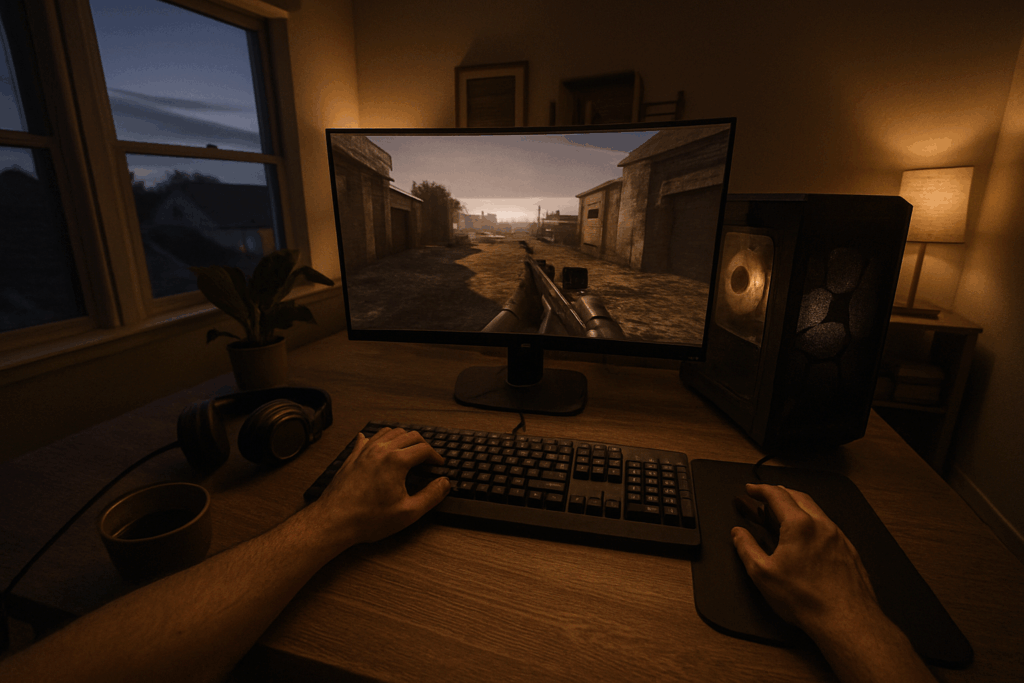
Riot’s Blueprint for Modern FPS Dominance
Valorant didn’t launch quietly. When Riot dropped its first tactical shooter in 2020, it was immediately clear they were taking a long game approach. Fast forward to now, and the evolution shows. What started as a CS:GO meets Overwatch hybrid has matured into its own lane an FPS built as much for raw mechanics as it is for layered strategy and long term viewership.
Riot nailed something most studios miss: making a game that pleases both the sweaty ranked grinder and the casual after work duo queue. The gunplay is tight, the ability synergy adds uniqueness, and the competitive ruleset is strict without being unforgiving. Instead of chasing short term spikes, Riot invested in a stable foundation, then focused on carving out everything around it ranked integrity, agent balance, and map rotation that reacts to real feedback instead of internal theorycraft.
What tied it all together was Riot’s constant cadence updates that mattered, not fluff. Every patch wasn’t just a bandaid; most felt like a clear answer to a community concern or meta bloat. Valorant grew because it listened, adapted, and didn’t panic. No flashy rebrands, no sudden overhauls. Just iteration that stayed pointed north.
This discipline in execution is why Valorant now defines the gold standard for a modern competitive shooter and why others are still trying to figure out the blueprint.
Tactical Design That Sets It Apart
Valorant didn’t try to out Aim Counter Strike. Instead, it redefined what a competitive shooter could be by injecting character design into tactical play. Every agent comes with unique abilities smokes, recon tools, movement tricks that shift the focus from raw headshots to team coordination and timing. Sure, gunplay still matters, but it’s a piece of a much bigger puzzle.
This layered approach allows different playstyles to thrive. Some agents thrive on intel gathering, others manipulate space, while a few cause chaos and force rotations. Players aren’t just learning recoil patterns they’re learning team roles and synergy.
Maps are built to match. Multi level sightlines, tight chokepoints, and ability specific interaction zones create more dynamic play than just angles and crosshairs. Each spike site demands a different approach based on team comp. That means pre planning matters as much as execution. The result is a slower, more thoughtful pace but one loaded with tension and mind games. It’s not about being the fastest gun on the server. It’s about being one step ahead. Every round is a mini chess match with bullets.
Esports Infrastructure That Actually Works
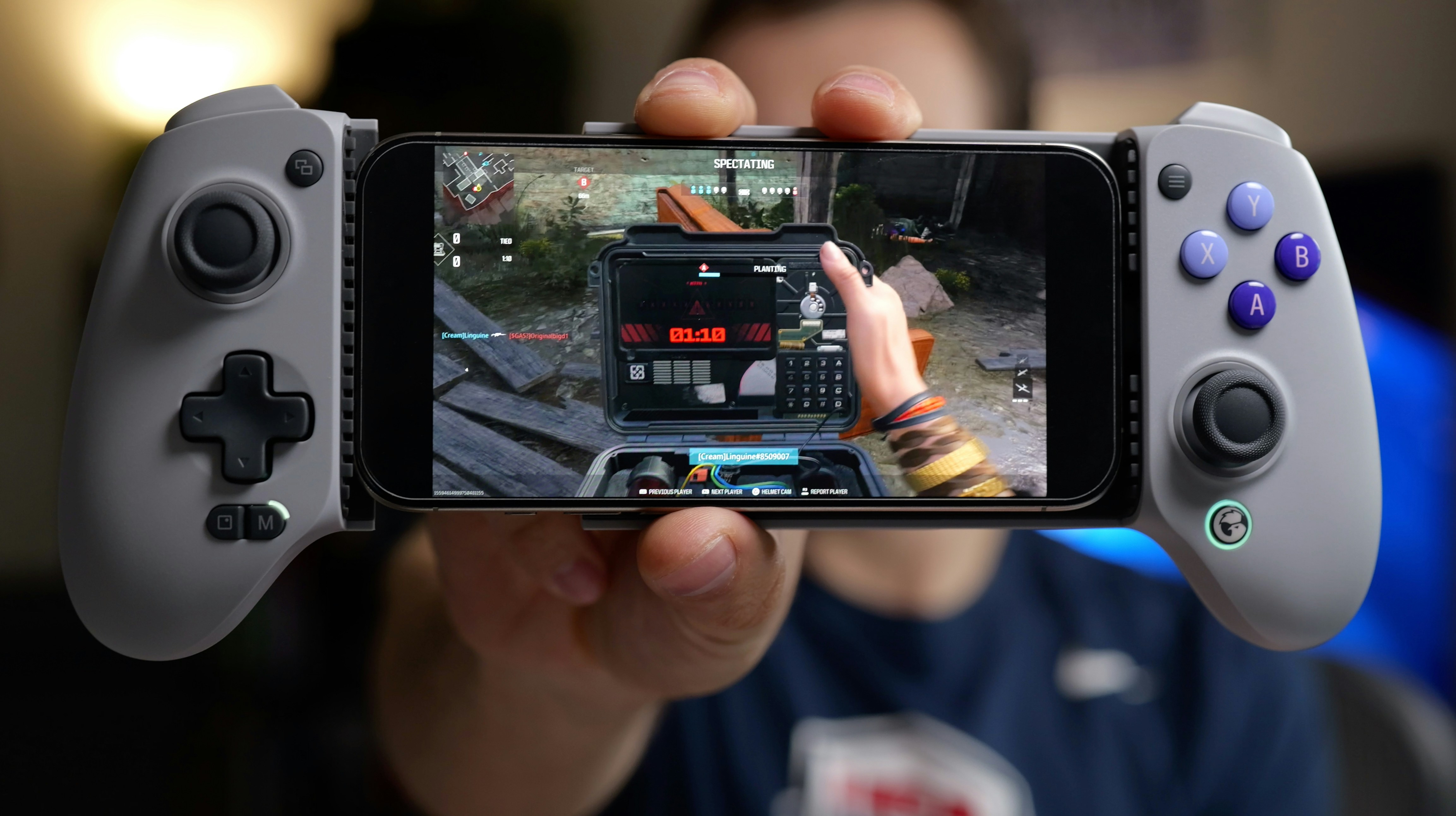
Riot didn’t just build a shooter they built an ecosystem. The franchise model behind Valorant’s pro scene offers orgs something rare in esports: stability. With guaranteed league slots and more predictable revenue, teams don’t just survive from season to season; they invest long term. That reduces churn and gives fans familiar faces to follow something traditional sports have nailed for decades.
The tiered ladder makes sure there’s a pipeline. From ranked solo queue to regional circuits and international LANs, progression is real. Hungry amateurs have a track to climb, and top level talent stays sharp through structured competition. It’s not perfect, but there’s a sense of direction, which most competitive scenes lack.
Grassroots play matters too, and Riot hasn’t ignored it. With in house tournament tools and support for local organizers, the foundation is growing. Weekend warriors, college squads, and indie TOs all have access to the same infrastructure that fuels the elite. That kind of symmetry builds culture and culture is what makes an esport last.
Global Reach Through Regional Investment
Valorant isn’t just a Western esports story it’s a global project, and Riot knows it. The company’s investment in local servers and region specific language support has done more than reduce ping. It’s cracked open access for players across continents who were previously sidelined by lag, translation gaps, or lack of local infrastructure.
They’ve stepped up inclusivity with regional event hosting too. From grassroots community tournaments to in person viewing parties, Riot’s actually showing up. That visibility matters. It signals to players in emerging markets like much of Southeast Asia that they’re not an afterthought.
And speaking of SEA: it’s booming. Valorant’s explosive growth here isn’t accidental. Riot is doing the legwork partnering with local orgs, supporting mobile first players, and creating content that speaks to regional cultures. This isn’t just market expansion; it’s a shift in the epicenter of global esports participation.
For more on why Southeast Asia is becoming the litmus test for scalable mobile esports, check out this deeper dive.
Valorant’s Ripple Effect on Shooter Design
Valorant didn’t just launch a successful game it lit a fire under the rest of the FPS industry. Studios are adapting fast, and the clearest sign is the rise of “tactical class” agent shooters. Instead of sticking to military loadouts or hero based chaos, developers are now blending utility driven characters with grounded gunplay. You see it in games like “XDefiant” and “Project Loki,” where skill based gunfights meet team strategy and ability timing. Valorant set the tone, and others are echoing it some subtly, others blatantly.
Beyond core gameplay, there’s a new crunch on backend systems. Combatting cheaters is now a selling point, not just a patch note. Riot’s Vanguard system wasn’t perfect at launch, but the bar it set has competitors scrambling to show they take integrity seriously. Lower latency is also becoming non negotiable. Studios are being held accountable for performance, and players notice when tick rates lag or hit regs fail.
Lastly, and maybe most significantly everyone’s thinking long term. Valorant wasn’t built to spike and disappear. It’s a platform. One that can host casual weekends, championship finals, influencer showmatches, and new seasonal arcs all in the same architecture. That model is influencing how new FPS titles are scoped, budgeted, and expanded. The old model ship it, sell it, maybe patch it is dying. Live service, cross platform, community powered ecosystems are the standard now.
Valorant didn’t just shift shooter mechanics it forced a strategic rethink across the board.
What Comes Next in 2026 and Beyond
Valorant’s esports roadmap is far from static. Riot has made it clear: expansion is the goal. While North America and Europe remain anchor regions, expect new investments into Latin America, the Middle East, and parts of Africa over the next two years. Riot isn’t just looking for new fans it’s building ecosystems. That means infrastructure, local leagues, and native talent development programs designed to go long.
But it’s not just about arenas and brackets anymore. Valorant is increasingly less just a game and more a platform for content. Creators are building full time careers around the scene without ever holding a mouse in competition. Streamers are simulcasting matches with added commentary. Branded content is blurring the line between entertainment and promotion. Riot knows the fans don’t just want gameplay they want voices, personalities, context.
And that’s driven a wider genre shift. Tactical shooters are now expected to offer support for both esports and creator ecosystems. Riot raised the bar stable servers, structured competition, easy to clip moments and legacy franchises are scrambling to keep up. Valorant didn’t just evolve its corner of the genre. It expanded the court and changed the expectations of players, orgs, and communities alike. The next wave of FPS games won’t just copy its mechanics they’ll model everything around its playbook.