

You just lost four ranked games in a row, checked every teammate’s match history, and confirmed what you suspected: not your fault. The inting, the AFKs, the support who face-checked a warded bush at level two. Except the one name in all four losses was yours.
Elo Hell Is Real to You, Even If the Math Says Otherwise
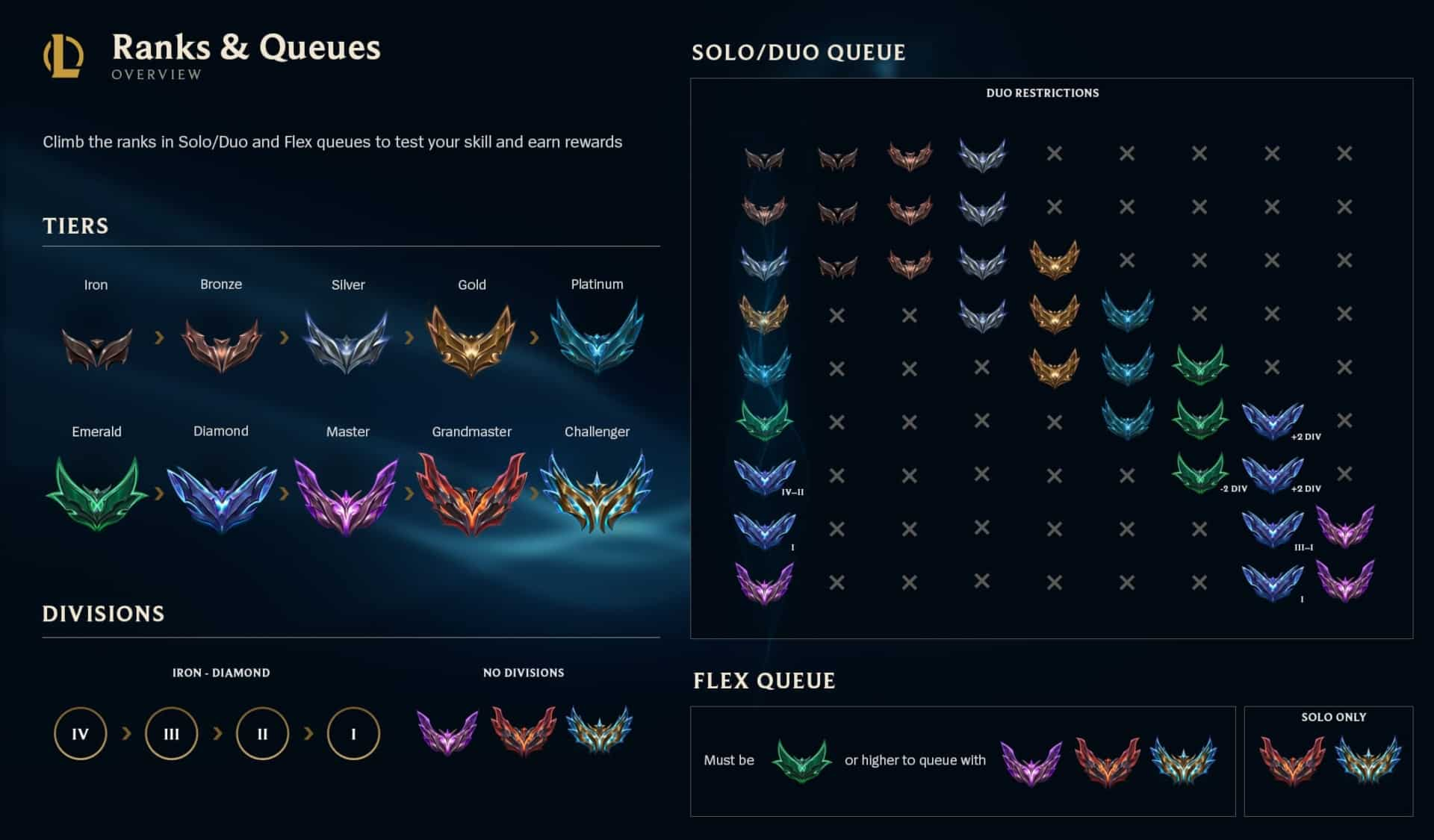
Elo hell is the belief that your rank is a cage, that bad teammates and coin-flips are keeping you down. It describes a real feeling. It does not describe how the ladder works. The Elo rating system League borrows its name from has been called an illusion built on cognitive bias, and the logic holds: across a long enough sample, you are the only constant in your games. Your four teammates can go sideways. So can the enemy’s five. That asymmetry tilts the odds in your favor, not against you.
The numbers agree. Bronze, Silver, and Gold together hold well over half of the ranked ladder, so being stuck there does not mean a cursed bracket; it means the fat middle of the bell curve with everyone else. A player who deserves higher elo eventually climbs out of Bronze IV because their win rate against that population is above 50%. Believe in elo hell as a permanent address, and you play like a passenger. Treat it as a pattern you can break, and it turns back into a queue you have not solved yet.
Tilt Is the Real Enemy Between You and a Better Rank

Tilt costs more LP than mechanics ever will. Drop two or three games in a row, and your brain stops making clean reads: you force fights you would skip, you type in chat instead of tracking the enemy jungler. The fix is unglamorous. When a teammate starts raging, mute them, pings included. You lose nothing tactically, and you protect the one thing that actually climbs: a focused head.
Build a hard rule: two back-to-back losses, and you close the client. When you sit back down, open one replay of a close game and find the two or three key moments you could have done better: a botched recall timer, a greedy overextend, a dragon you traded for nothing. That beats ten games on autopilot. And skim the latest patch notes before you queue, because the champion you first-picked last week might have been gutted this one.
Two more tools protect your LP before a game is even lost. If champ select falls apart, a troll pick, a lane you are getting counter-picked into, an autofilled player who has clearly never touched the role – you can dodge. It costs a small LP penalty and a short queue timeout, but that is far cheaper than the loss a doomed comp usually books you. And once you load in, the Remake system lets you end the match early without a full loss when a teammate never connects or goes AFK in the first few minutes, so an unwinnable four-versus-five does not have to wreck your night or your rank.
Role-Specific Habits That Actually Move Your MMR

Climbing is not one skill; it is a different bad habit to fix in every role. Macro beats mechanics in the lower ranks, where plenty of players have crisp combos and zero map awareness. The table below is your cheat sheet: the win condition that matters most per role, plus the habit that gets you there.
| Role | Your #1 low-elo win condition | The habit to build |
| Top | Win lane without dying to ganks | Track the enemy jungler, ward your lane brush |
| Jungle | Efficient pathing and early objectives | Learn a clean clear, count objective timers |
| Mid | Roam once you shove the wave | Push, then help a sidelane snowball |
| ADC | Clean last-hitting and safe positioning | Sit behind your frontline in every fight |
| Support | Vision control and roams that matter | Deep ward on a plan, not on panic |
A few deserve a callout. Junglers decide more low-elo games than anyone and lose most to lazy pathing, so map your first three camps before you load in and know when the first dragon spawns. ADCs throw winning games by walking too far up, last-hitting a minion while the enemy assassin flanks. Support is the most underrated climb going: smart warding wins games because information on enemy positions is what the whole map runs on.
One more thing on champion pool: lock in two or three champions and stop touching the rest. When you are not thinking about your own combos, you can think about the map. A Master Yi one-trick who knows when to force an objective out-climbs a main-swapper every time.
The same discipline applies to your role. Pick one primary role, queue it every game, and stop filling. Autofill and role-swapping scatter your practice across five very different jobs, while a one-role player builds the matchup knowledge and muscle memory that actually compounds. Set a primary and a backup in the client, main the primary, and only fall to the backup when the queue forces your hand.
The Hard Reset: A Clean MMR Slate to Escape Elo Hell
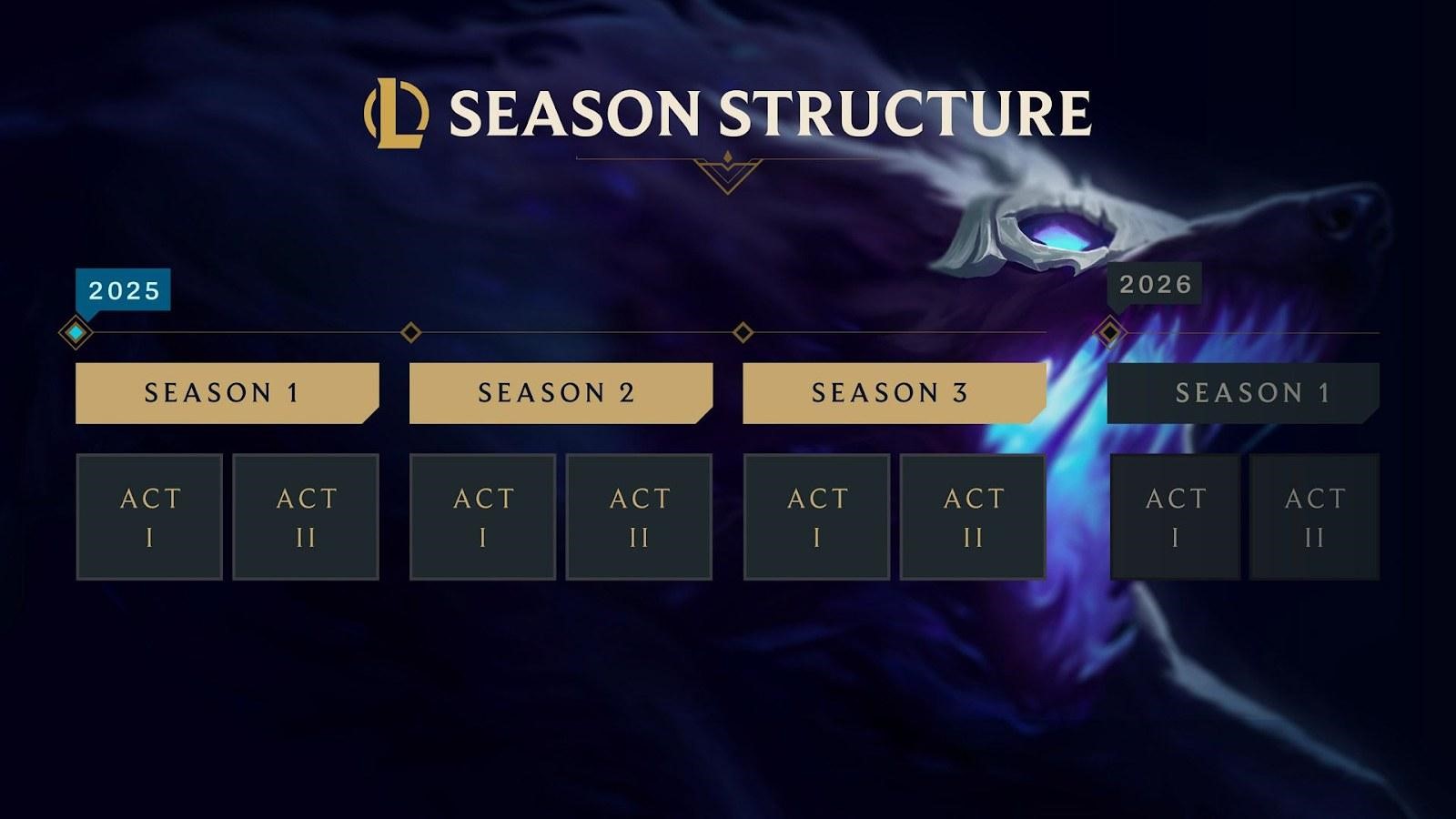
There is no rank wipe between Splits; your LP carries straight over, but the new split brings a new Victorious skin to chase once Riot reveals it and a natural checkpoint to test whether your recent grind stuck.
Some players take it further and start on a blank slate. A new account carries no baggage, no tanked hidden MMR from a tilt streak you would rather forget, just placements from scratch. It is controlled smurfing, and plenty of climbers keep a second account for it. Player-to-player marketplaces such as igitems list ready-to-rank League accounts with a clean MMR history, so you can jump into placements instead of grinding to level 30 first.
The Shortcut to Get Out of Elo Hell: Duos, Coaching

The most reliable version is a duo: one level-headed friend on comms fixes half of what makes solo queue miserable, because two of the five slots are now locked in instead of coin-flipping. When your friends sit below your rank, a rank service fills the gap. A boosting-and-accounts shop like BoostRoyal runs rank boosting and coaching, and it also lists high-elo LoL accounts for players who would rather skip placements and land where they want. Coaching is the sleeper pick: a good one teaches you more in an hour than a month of solo games.
 There is a specific skill involved in explaining something clearly — one that is completely separate from actually knowing the subject. Ozirian Drovayne has both. They has spent years working with esports coverage and highlights in a hands-on capacity, and an equal amount of time figuring out how to translate that experience into writing that people with different backgrounds can actually absorb and use.
Ozirian tends to approach complex subjects — Esports Coverage and Highlights, Player Strategy Guides, Upcoming Game Releases being good examples — by starting with what the reader already knows, then building outward from there rather than dropping them in the deep end. It sounds like a small thing. In practice it makes a significant difference in whether someone finishes the article or abandons it halfway through. They is also good at knowing when to stop — a surprisingly underrated skill. Some writers bury useful information under so many caveats and qualifications that the point disappears. Ozirian knows where the point is and gets there without too many detours.
The practical effect of all this is that people who read Ozirian's work tend to come away actually capable of doing something with it. Not just vaguely informed — actually capable. For a writer working in esports coverage and highlights, that is probably the best possible outcome, and it's the standard Ozirian holds they's own work to.
There is a specific skill involved in explaining something clearly — one that is completely separate from actually knowing the subject. Ozirian Drovayne has both. They has spent years working with esports coverage and highlights in a hands-on capacity, and an equal amount of time figuring out how to translate that experience into writing that people with different backgrounds can actually absorb and use.
Ozirian tends to approach complex subjects — Esports Coverage and Highlights, Player Strategy Guides, Upcoming Game Releases being good examples — by starting with what the reader already knows, then building outward from there rather than dropping them in the deep end. It sounds like a small thing. In practice it makes a significant difference in whether someone finishes the article or abandons it halfway through. They is also good at knowing when to stop — a surprisingly underrated skill. Some writers bury useful information under so many caveats and qualifications that the point disappears. Ozirian knows where the point is and gets there without too many detours.
The practical effect of all this is that people who read Ozirian's work tend to come away actually capable of doing something with it. Not just vaguely informed — actually capable. For a writer working in esports coverage and highlights, that is probably the best possible outcome, and it's the standard Ozirian holds they's own work to.