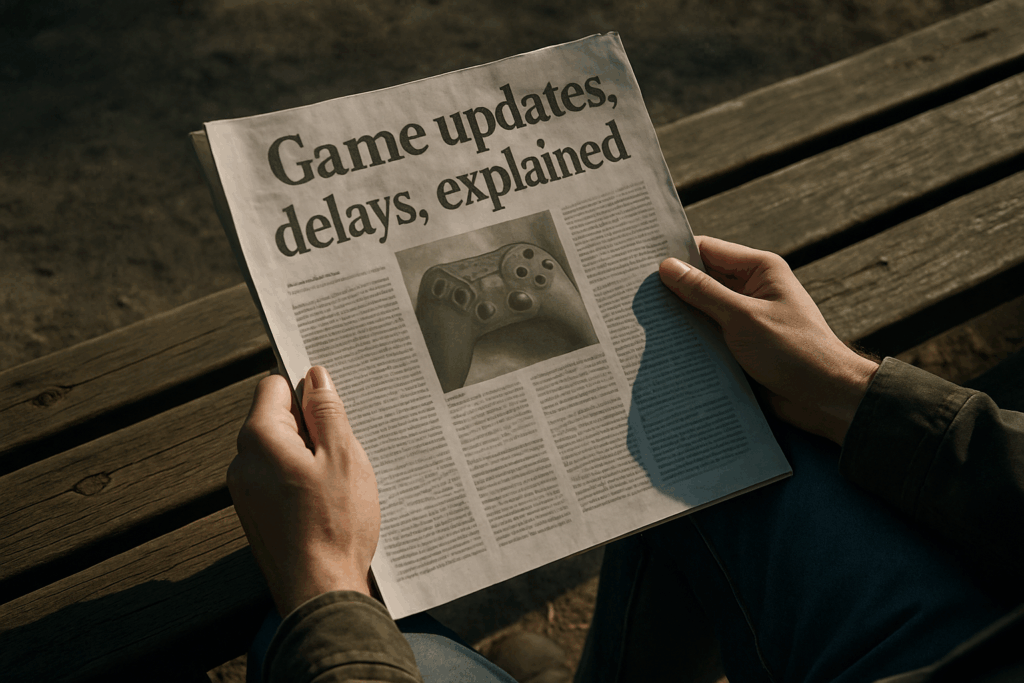
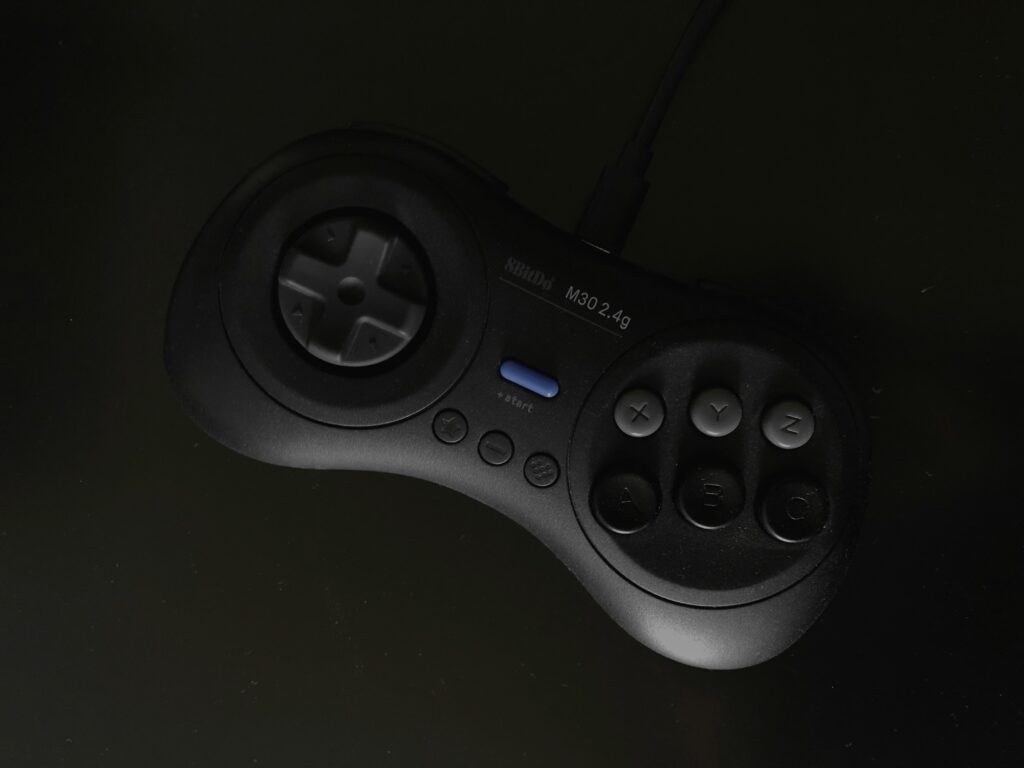
The Speed of Hype
Next gen console launches don’t creep in they hit like a thunderclap. One minute it’s rumors; the next, there’s a cinematic teaser, a surprise livestream, and a preorder button flashing red. Manufacturers have mastered the art of instant reveals, building hype in hours instead of months. They handpick what’s shown, script the beats, and decide who gets early access. That control means the story is already written before most people have even formed an opinion.
But cracks in the plan are inevitable. Streams glitch. Leaks happen usually on Twitter or Reddit before an embargo hits. Once a detail’s out, it spreads fast. Console forums and reaction videos flood YouTube within hours, jumping ahead of legacy coverage. Hype cycles that used to be driven by magazine exclusives or E3 demos are now carried by influencers grabbing footage in real time.
For gamers and creators, the takeaway is simple: reacting fast matters. Real time commentary, frame by frame trailer breakdowns, even speculative posts gain traction while the news is hot. Wait too long, and tomorrow’s feature could be yesterday’s thumbnail.
Hardware Innovations That Shift Headlines
Next gen consoles aren’t just new boxes they’re redefining what gamers and journalists expect from hardware launches. From blazing speed to jaw dropping graphics, early impressions are often shaped before a single game is played.
Performance Upgrades That Lead the Conversation
The leap in console power directly affects coverage across gaming media. These improvements dominate early reviews and explain many of the initial headlines we see at launch.
Load Times: Drastically reduced thanks to SSD technology, impacting not only gameplay but how streamers present performance online.
Graphics: Enhanced realism with ray tracing, 4K support, and smoother frame rates puts visual fidelity at the center of every product review.
AI Integration: Smarter NPC behavior, adaptive difficulty, and dynamically generated environments create buzz beyond just the visuals.
Exclusive Features That Capture Attention
Console specific features are increasingly driving unique angles in media coverage. When a new console drops, these standout innovations become the focus of headlines, helping sway public opinion (and sales).
DualSense haptics and adaptive triggers on PS5 rewired how gamers think about immersion.
Quick Resume on Xbox Series X elevated multitasking in console gaming.
Custom UI elements for community and accessibility continue to influence product perception.
Design Leaves a Strong First Impression
Beyond specs, the look and feel of a new console still matters and feeds the viral moment. Social media and video breakdowns often spotlight:
Size, form factor, and footprint
Fan noise (or lack thereof)
Mod friendly features or hardware limitations
Design debates often shape launch day narratives just as much as performance or games. A bold look can dominate impressions for better or worse.
Explore the Tech Further
For a deeper analysis of the technologies transforming the latest hardware, check out: What’s New in Gaming Technology JogaMeTech
Game Announcements Move Faster But Fade Quicker
In the age of scroll fatigue and constant alerts, even major game announcements struggle to hold attention for more than a few hours. Players are flooded with trailers, teasers, and leaks almost daily. Keeping excitement alive isn’t just about dropping a cinematic anymore it’s about sustaining interest long enough to convert it into sales or sustained buzz.
Pre order culture hasn’t helped. Studios fight for early hype, opening digital shelves months before launch. But this rush comes at a cost: storytelling gets front loaded, stripped of slow reveals and layered narrative campaigns. Games that don’t peak in the first 72 hours risk disappearing behind the next new title.
It’s not just attention spans shrinking it’s visibility windows tightening. Release calendars are stuffed. Indie titles, AA games, and blockbusters are all competing for the same headlines in the same few days. That means devs and publishers have to think beyond launch. Smart ones are spacing content beats: post launch features, streamer tie ins, surprise updates. Stretch the moment or get lost in the feed.
Developers vs. the News Cycle
Next Gen Power, New Development Pressure
The leap in hardware capabilities from next gen consoles has significantly expanded what developers can do but it’s also raised expectations. Faster load times, complex game worlds, ultra realistic visuals, and AI driven features demand more intricate design pipelines and longer testing phases.
Key challenges developers face:
Higher technological standards from platform holders and consumers
Expanded production pipelines for graphics, physics, and performance optimization
Looming expectations for innovation on launch day
Delay or Deliver: The Development Dilemma
As hype builds faster around major releases, studios are feeling the squeeze between creativity and deadlines. Delays can strain relationships with publishers, but launching a half finished game risks backlash from press and players alike.
Factors contributing to delays:
Unstable development tools tailored for new hardware
Shifting publisher expectations late in the cycle
Internal studio restructuring or talent shortages
Crunch culture excessive overtime to meet deadlines remains a controversial but persistent issue across the industry. With media attention fixed on high profile titles, every delay becomes part of the story.
What Makes a Game Newsworthy in 2024?
In today’s fast moving news environment, attention is won or lost early. A single standout mechanic or visual detail can elevate a title. But controversy, delays, or over promising during early trailers can just as quickly lead to negative coverage.
Elements that shape a game’s media momentum:
Innovative gameplay hooks (e.g., new traversal mechanics or co op systems)
Exclusive console features that highlight next gen differences
Transparency during development, with behind the scenes access or detailed dev updates
Timing launching in an uncluttered window can make or break coverage
For developers navigating the modern gaming news cycle, next gen isn’t just about technical power it’s about managing the story of a game every step of the way.
Content Creators Reshape the Headlines
The old system trailers drop, critics review, audiences follow is officially broken. In 2024, streamers and YouTubers are often the first point of contact between a new game and the public. Their reactions, walkthroughs, and early takes shape perception well before a legacy reviewer posts a 2,000 word breakdown. These creators aren’t just amplifying the news they’re making it.
YouTube deep dives dissect mechanics the night of a reveal. TikTok is now a testing lab where tech quirks and frame rate hiccups can go viral faster than studios can respond. A streamer finding a bug or showcasing surprising physics gets shared more than the launch trailer because it feels real, unfiltered, and unspun.
That creates a challenge for console makers and publishers. You can no longer control the message once the gameplay is in players’ hands. Streamed feedback loops both hype and criticism now outpace your PR playbook. If the visuals lag or the menus frustrate, someone’s already broadcasting it live.
In this new cycle, credibility comes from raw experience, not polished press kits. The people behind the controllers are now the front line of gaming journalism delivering hands on honesty at scale.
Looking Ahead: Adaptive Journalism
The role of game journalists is shifting. Quick news hits about game launches or trailers don’t land the way they used to Twitter does that faster. What’s actually adding value now is deeper analysis. Readers want to know why a tech upgrade matters, not just that it exists. In 2024, coverage is becoming less about being first and more about being insightful.
You’ll also notice more platform specific beats emerging. There are entire verticals now just for the PS5 ecosystem its tech stack, ecosystem exclusives, and even UI design shifts. Xbox, Nintendo, and PC get similar treatment. Journalists are going deep rather than broad, tracking how platform level decisions shape gameplay experiences across titles.
To stay relevant, journalists are arming themselves with new tools: AI based content analysis, interactive infographics, and specialized dev interviews. For a closer look at what’s driving these changes, check out the breakdown at new gaming tech.
Final Take: More Consoles, More Noise
Fast News, Shallow Depth
The pace of gaming news has accelerated but that doesn’t always mean better coverage. In many cases, surface level details dominate headlines, while context and nuance get buried. New console features or flashy specs often overshadow long term implications for players, developers, and the industry.
Rapid fire updates replace in depth reporting
Headlines chase clout over clarity
Hype cycles are often louder than factual analysis
Who Controls the Narrative?
When it comes to shaping gaming news, the power balance is constantly shifting. Developers, players, and platforms all have a role but their influence varies with each news cycle.
Developers spark attention through innovation or controversy
Platforms like Sony, Microsoft, and Nintendo control release timing and access
Players and creators drive grassroots momentum that can override traditional press
How to Stay Informed (Without Burnout)
With nonstop releases, tech reveals, and creator chatter, it’s easy to feel overwhelmed. Smart consumption of gaming journalism means curating what you follow and knowing where to look for substance over noise.
Tips to keep your gaming news diet healthy:
Follow a mix of fast updates and slower, analytical outlets
Use social media filters or newsletters to focus on your interests
Watch creators who add value not just reaction clips
In an era of nonstop noise, informed players are the ones who take control of what and who they listen to.
 There is a specific skill involved in explaining something clearly — one that is completely separate from actually knowing the subject. Ozirian Drovayne has both. They has spent years working with esports coverage and highlights in a hands-on capacity, and an equal amount of time figuring out how to translate that experience into writing that people with different backgrounds can actually absorb and use.
Ozirian tends to approach complex subjects — Esports Coverage and Highlights, Player Strategy Guides, Upcoming Game Releases being good examples — by starting with what the reader already knows, then building outward from there rather than dropping them in the deep end. It sounds like a small thing. In practice it makes a significant difference in whether someone finishes the article or abandons it halfway through. They is also good at knowing when to stop — a surprisingly underrated skill. Some writers bury useful information under so many caveats and qualifications that the point disappears. Ozirian knows where the point is and gets there without too many detours.
The practical effect of all this is that people who read Ozirian's work tend to come away actually capable of doing something with it. Not just vaguely informed — actually capable. For a writer working in esports coverage and highlights, that is probably the best possible outcome, and it's the standard Ozirian holds they's own work to.
There is a specific skill involved in explaining something clearly — one that is completely separate from actually knowing the subject. Ozirian Drovayne has both. They has spent years working with esports coverage and highlights in a hands-on capacity, and an equal amount of time figuring out how to translate that experience into writing that people with different backgrounds can actually absorb and use.
Ozirian tends to approach complex subjects — Esports Coverage and Highlights, Player Strategy Guides, Upcoming Game Releases being good examples — by starting with what the reader already knows, then building outward from there rather than dropping them in the deep end. It sounds like a small thing. In practice it makes a significant difference in whether someone finishes the article or abandons it halfway through. They is also good at knowing when to stop — a surprisingly underrated skill. Some writers bury useful information under so many caveats and qualifications that the point disappears. Ozirian knows where the point is and gets there without too many detours.
The practical effect of all this is that people who read Ozirian's work tend to come away actually capable of doing something with it. Not just vaguely informed — actually capable. For a writer working in esports coverage and highlights, that is probably the best possible outcome, and it's the standard Ozirian holds they's own work to.