Young Adults Are Powering the Boom
The 18 34 age bracket isn’t just watching esports they’re shaping it. This demographic makes up the lion’s share of viewership across major platforms like Twitch, YouTube Gaming, and Kick. They’re digital first, deeply fluent in internet culture, and hungry for experiences that reflect how they live, communicate, and compete.
What makes esports stick with this crowd is the cultural crossover. For them, gaming isn’t a side hobby it’s lifestyle. They stream, follow creators, and keep up with tournaments all in the same breath. There’s no sharp line between entertainment and interaction. It’s not just about who wins the match it’s about who said what on stream, what meme blew up, what behind the scenes clip dropped.
Esports offers a storytelling format traditional sports can’t match. Rivalries, sudden underdog victories, live drama told not just by announcers, but also by the players and their communities in real time. It’s competition with a pulse: fast, messy, and built for eyes that expect more than a scoreboard. That’s why millions tune in, and why numbers keep climbing.
Accessibility Is Driving Growth
Esports isn’t locked behind paywalls or limited by geography. It’s mobile first, borderless, and available 24/7. Whether you’re in Seoul or São Paulo, a match is always live, a stream is always running, and a clip is always going viral. All you need is a phone and a signal. That kind of reach doesn’t just invite spectators it breeds participants.
As mobile access lowers the barrier to entry, many players also explore curated lists of Best Android games to discover titles that match their interests and skill levels.
The entry point is simple: watch enough, and you know the game. Play enough, and you grow a skill set. From there, it’s a natural jump to streaming your own sessions and building an audience. Fans are turning into players, and players into creators fast and at scale. No gatekeepers. Just grind, personality, and a decent upload speed.
Platforms like Twitch, YouTube Gaming, and TikTok have turned this loop into a content machine. There are no off hours. Someone’s always playing, commenting, breaking down strategies, or cracking jokes over ranked queues. For young adults raised online, it’s more than competition it’s community, entertainment, and identity all in one feed.
Game Titles That Build Loyal Fanbases
Certain games aren’t just popular they’re institutions. Titles like League of Legends, Valorant, and Call of Duty have built massive global followings by combining tight competitive mechanics with live service ecosystems. These games aren’t static. They evolve constantly, dropping updates, rotating seasons, and showing up in massive international tournaments that fans tune into like they’re the Super Bowl.
The real glue, though, is personality. Star players and streamers become household names in the scene. Love them or hate them, fans pick sides, follow narratives, and show up season after season. It’s not just about the gameplay it’s the rivalry, the story arcs, the clutch moments that get clipped and shared on social.
Even more interesting? Casual games are starting to build their own competitive edge. Think of titles like Fall Guys or even Minecraft PvP mods. What starts as fun can turn serious fast when creators organize showdowns, leaderboards, or challenge based content. This wide range means there’s a competitive community for almost every flavor of gamer hardcore or otherwise.
Influencer Power and Creator Economy
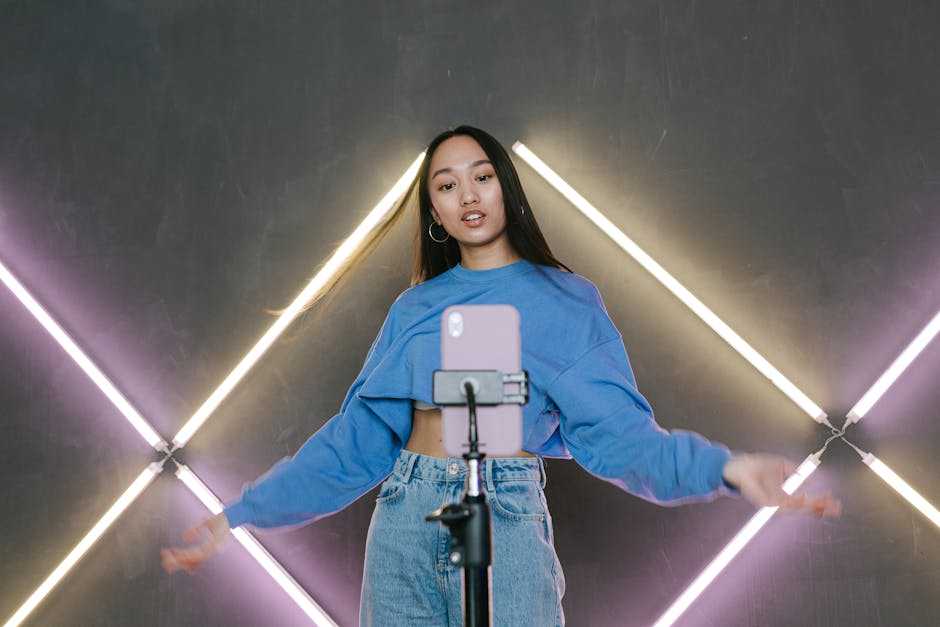
Streamers aren’t just pressing “go live” anymore. They’re analysts, ringmasters, and curators. They break down plays, roast missteps, celebrate key moments, and stitch everything into a narrative that feels personal. In doing so, they’ve become indispensable touchpoints for fans who want more than just the match they want context, humor, and a familiar voice.
This is where parasocial bonds come in. Viewers don’t just follow a team; they follow their favorite streamer’s take on that team. It’s the feeling of knowing someone you’ve never met. And for the streamer, it’s brand power in the form of loyalty you can’t buy but you can build.
In this space, esports viewership isn’t about sitting back and watching. It’s shared language. Inside jokes. Live chat debates. It’s becoming part of a digital crowd that cares, often more than fans of traditional sports ever did. That’s the energy fueling the boom and the creators riding the wave know exactly how to keep it going.
Mainstream Brands Are Catching On
Big name brands aren’t sitting on the sidelines anymore they’re doubling down on esports. Nike’s backing professional teams with custom gear drops. Red Bull is bankrolling tournaments and training camps. Coca Cola is slapping its logo across events and live broadcasts. These aren’t just one off experiments; they’re long term, big budget plays.
Sponsorship doesn’t just mean money. It signals legitimacy. It brings better production, a flood of content, and longer shelf life for every match played. Partnering with recognizable brands also brings esports into more mainstream visibility. You see it in crossover content too collabs with fashion brands, music artists, and even sneaker drops are turning gamers into lifestyle icons.
Esports isn’t counterculture anymore. With this kind of backing, it’s culture period. And that means the space is only getting louder, bigger, and harder to ignore.
Backed by Data and Trends
Esports isn’t just big it’s becoming a juggernaut. In key regions like Southeast Asia, South Korea, and parts of Europe, esports viewership is starting to rival traditional sports like baseball, hockey, and even football. We’re not talking niche circles anymore. These are prime time numbers on digital platforms, mostly driven by under 35 audiences who’ve grown up online.
With the surge in eyeballs comes a flood of revenue. Ad dollars are stacking up. Media rights are being negotiated like TV broadcast deals used to be. Sponsorships aren’t just for energy drinks anymore banks, car companies, and tech giants are vying for space during tournaments. And with events streamed globally, there’s no regional limit to that revenue.
Growth is backed by real data, and it’s not slowing down. See more specifics and projections on gaming audience trends.
The Future Is Interactive
Esports isn’t just a spectator sport anymore. In game rewards, live chat events, and interactive overlays are turning viewers into active participants. Platforms like Twitch and YouTube Gaming now offer extensions that let fans predict match outcomes, vote in real time strategy polls, and earn exclusive items just for watching. The result? Engagement levels that put traditional broadcasts to shame.
This shift from passive watching to active involvement marks a turning point. Viewers don’t just root for teams they shape the experience. Streamers respond to chat driven commands, fan decisions pop up in live gameplay, and digital rewards keep people plugged in longer. Loyalty gets built not through ads, but through participation.
Expect this trend to go deeper: more VR integrations, broader access via mobile, and even AI driven interactions that respond to individual viewers. The edge now belongs to those who merge entertainment with agency.
Want a pulse on where it’s headed next? Keep up with the latest gaming audience trends.