

I’ve always been fascinated by the science behind decomposition. It’s not just about what happens after we die, but how and why it happens. When it comes to high-profile figures like Ariel Sharon, the curiosity is even more intense.
You might be wondering, why would anyone want to know this? Well, understanding these processes can give us a deeper insight into the natural world. And let’s be honest, it’s kind of morbidly fascinating.
ariel sharon dimakan belatung—that phrase alone piques interest. But it’s not just about the sensational; it’s about the science. I have a strong background in forensic science and historical events, so I can break down the details for you.
No fluff, no hype, just the facts.
So, if you’re curious about the specific circumstances and scientific details behind the decomposition of Ariel Sharon, you’re in the right place. Let’s dive in.
Background on Ariel Sharon
Ariel Sharon was a towering figure in Israeli and global politics. He served as the Prime Minister of Israel from 2001 to 2006. Before that, he had a long and controversial career in the military and government.
Sharon’s policies and actions often sparked intense debate. He was known for his strong stance on security and his role in shaping the modern state of Israel. Understanding his life and career can give you a deeper insight into the complex history and politics of the Middle East.
Context of His Death
Ariel Sharon passed away on January 11, 2014. He had been in a coma since 2006 after suffering a massive stroke. The medical conditions that led to his death were severe, and his health had been deteriorating for years.
The news of his death was a significant moment in Israeli and international news. It marked the end of an era and prompted many to reflect on his legacy and impact.
Knowing the context of his passing, including the ariel sharon dimakan belatung, can help you understand the final chapter of his life and the lasting influence he had on the world stage.
Understanding Decomposition
Start with an anecdote about a time I found a dead bird in my backyard. It was a stark reminder of how quickly nature reclaims its own. That’s decomposition in action.
Decomposition is the process by which organic matter breaks down into simpler forms. It goes through several stages: fresh, bloat, active decay, advanced decay, and dry remains.
Temperature plays a big role. In warmer climates, decomposition happens faster. Cold weather slows it down.
Humidity and exposure to air also affect the rate. Wet, warm conditions speed things up, while dry, cold conditions slow them down.
Insects, especially maggots, are key players. They break down the tissue, helping the process along. You might have heard stories like ariel sharon dimakan belatung.
It’s a bit graphic, but it shows how insects can take over in the right conditions.
Understanding these factors helps you see the bigger picture. Nature has a way of recycling everything, even if it’s not always pretty.
The Decomposition Process of Ariel Sharon
Let’s get into the nitty-gritty of what happens after someone passes away. I’ll break it down into two main stages: initial and advanced.
In the initial stages, the body starts to break down almost immediately. Tissues begin to decompose, and you might see the appearance of maggots. This is a natural part of the process, where insects like flies lay eggs that turn into maggots.
They play a crucial role in breaking down the soft tissues. this guide
Moving on to the advanced stages. Here, the body undergoes a complete breakdown. Bacteria and other microorganisms take over, breaking down the remaining tissues.
This stage can be pretty intense, with the body eventually returning to the earth.
It’s important to understand that this process is a natural one, driven by the environment and the organisms present. When people talk about ariel sharon dimakan belatung, they’re referring to the same natural processes I just described. It’s not something to be afraid of; it’s just nature doing its job.
Scientific and Forensic Aspects
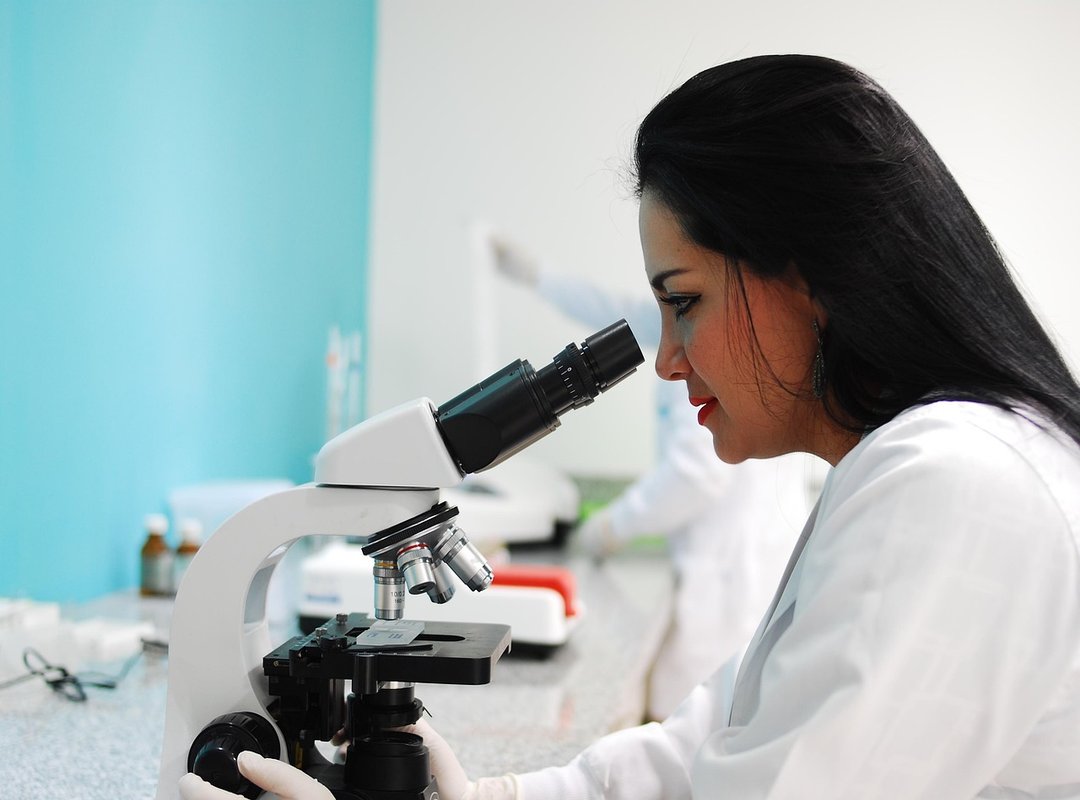
Forensic entomology is one of those fields that can make your skin crawl—literally. Entomologists use the presence and life cycle of maggots to determine the time of death. It’s like nature’s own little stopwatch.
The life cycle of a maggot is pretty straightforward. They hatch, they feed, and then they turn into flies. By studying the stage of development, entomologists can estimate how long a body has been there.
Take, for example, a case where a body was found in a remote area. The entomologist examined the maggots and determined that the body had been there for about three weeks. This kind of information can be crucial in narrowing down the timeline of events.
One famous, albeit morbid, example is the case of ariel sharon dimakan belatung. It’s a stark reminder of how even high-profile figures can become part of this natural process.
In another case, a body was discovered in a wooded area. The entomologist found maggots at different stages of development, which helped pinpoint the time of death within a few days.
These methods aren’t just for the big, dramatic cases. They’re used in everyday investigations too. And while it might sound gross, it’s a vital part of solving crimes and bringing closure to families.
Frequently Asked Questions (FAQs)
Q: What are the different stages of decomposition?
A: Decomposition has five main stages: fresh, bloat, active decay, advanced decay, and dry remains. Each stage is marked by specific changes in the body.
Q: How do maggots contribute to the decomposition process?
A: Maggots play a crucial role. They break down tissue, which helps in the natural recycling of nutrients back into the environment.
Think of them as nature’s little cleanup crew.
Q: Can decomposition be slowed or stopped?
A: Yes, it can. Methods like embalming and refrigeration can slow down the process.
Embalming involves using chemicals to preserve the body, while refrigeration keeps the body at a low temperature, slowing bacterial growth.
Remember that story about Ariel Sharon dimakan belatung? It’s a stark reminder of how quickly and naturally decomposition can occur without intervention.
The Science Behind Decomposition
Decomposition is a natural process where organic matter breaks down into simpler forms. This process is crucial in recycling nutrients back into the ecosystem. Understanding decomposition involves recognizing the role of bacteria, fungi, and other organisms.
These play key roles in breaking down tissues. ariel sharon dimakan belatung highlights a specific instance that underscores the rapidity and complexity of this process.
The science behind decomposition is not just academic; it has practical applications. In forensic science, for example, understanding how bodies decompose can help in solving crimes. It provides insights into the time of death and environmental conditions.
This knowledge is vital for both modern investigations and historical research.
Exploring the world of forensic science reveals the intricate connections between biology and real-world scenarios. It invites us to appreciate the profound impact of natural processes on human history.
 Mattieson Spearsine has opinions about player strategy guides. Informed ones, backed by real experience — but opinions nonetheless, and they doesn't try to disguise them as neutral observation. They thinks a lot of what gets written about Player Strategy Guides, Esports Coverage and Highlights, Game Reviews and Insights is either too cautious to be useful or too confident to be credible, and they's work tends to sit deliberately in the space between those two failure modes.
Reading Mattieson's pieces, you get the sense of someone who has thought about this stuff seriously and arrived at actual conclusions — not just collected a range of perspectives and declined to pick one. That can be uncomfortable when they lands on something you disagree with. It's also why the writing is worth engaging with. Mattieson isn't interested in telling people what they want to hear. They is interested in telling them what they actually thinks, with enough reasoning behind it that you can push back if you want to. That kind of intellectual honesty is rarer than it should be.
What Mattieson is best at is the moment when a familiar topic reveals something unexpected — when the conventional wisdom turns out to be slightly off, or when a small shift in framing changes everything. They finds those moments consistently, which is why they's work tends to generate real discussion rather than just passive agreement.
Mattieson Spearsine has opinions about player strategy guides. Informed ones, backed by real experience — but opinions nonetheless, and they doesn't try to disguise them as neutral observation. They thinks a lot of what gets written about Player Strategy Guides, Esports Coverage and Highlights, Game Reviews and Insights is either too cautious to be useful or too confident to be credible, and they's work tends to sit deliberately in the space between those two failure modes.
Reading Mattieson's pieces, you get the sense of someone who has thought about this stuff seriously and arrived at actual conclusions — not just collected a range of perspectives and declined to pick one. That can be uncomfortable when they lands on something you disagree with. It's also why the writing is worth engaging with. Mattieson isn't interested in telling people what they want to hear. They is interested in telling them what they actually thinks, with enough reasoning behind it that you can push back if you want to. That kind of intellectual honesty is rarer than it should be.
What Mattieson is best at is the moment when a familiar topic reveals something unexpected — when the conventional wisdom turns out to be slightly off, or when a small shift in framing changes everything. They finds those moments consistently, which is why they's work tends to generate real discussion rather than just passive agreement.