
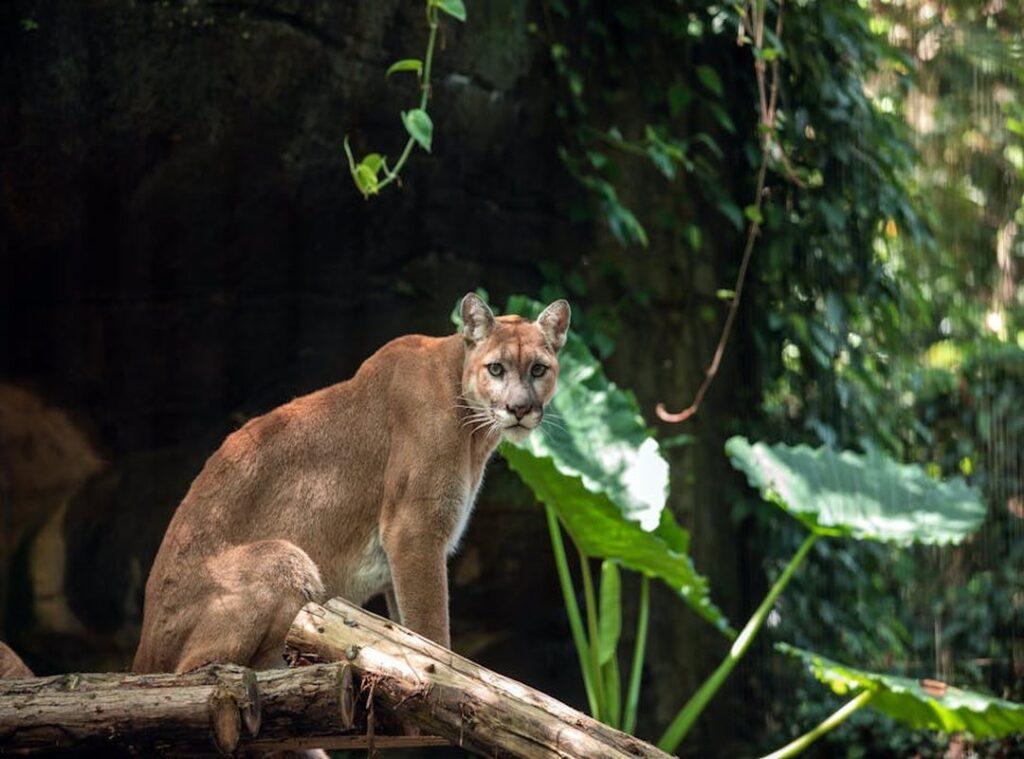
The puma, also known as the cougar or mountain lion, is a fascinating creature. You might have seen it in documentaries or heard stories about it. But do you really know its place in the feline world?
I’m here to give you the real deal. No fluff, no nonsense. Just the facts and my strong opinions.
What’s the puma’s habitat like? How does it behave in the wild? And why should we care about its conservation status?
These are the questions I aim to answer. And trust me, I’ve done my homework. This article is based on extensive research and expert insights.
So, let’s dive in and get to know this amazing animal.
Species Overview: The Puma (Puma concolor)
The puma, also known as the cougar, mountain lion, or panther, is a fascinating and versatile big cat.
Let’s dive into its classification. The Puma concolor belongs to the Felidae family, making it a close relative of other big cats like lions and leopards.
Now, for some physical details. Pumas are large, with males weighing up to 150-200 pounds and females around 80-130 pounds. Their fur is typically tawny, but can vary from gray to reddish-brown.
One of their most distinctive features is their powerful build and long, slender body, perfect for stealth and agility. They have a small, rounded head with black-tipped ears and a long, cylindrical tail that helps with balance.
If you’re interested in spotting one, here’s what you should do:
1. Learn to identify their tracks and signs in the wild.
2. Visit areas known for puma sightings, like national parks and wildlife reserves.
3.
Always respect their space and never approach them in the wild.
Understanding the animal:yvgmuupvhtm= puma can help you appreciate these magnificent creatures even more.
Habitat and Distribution
The puma’s geographic range is vast, stretching from the Yukon in Canada all the way down to the southern Andes in South America. That’s a lot of ground to cover.
Pumas can be found in a variety of environments. They thrive in forests, mountains, and even deserts. This adaptability is what makes them so successful.
In North America, for example, pumas are known to live in the dense forests of the Pacific Northwest. But they also roam the arid landscapes of the southwestern United States.
One key to their survival is their ability to adapt. Pumas can adjust to different climates and food sources. This flexibility allows them to survive in both cold and hot regions.
According to wildlife studies, pumas have been observed at elevations ranging from sea level up to 4,000 meters. That’s quite a range.
So, whether it’s the dense woods or the open plains, the puma finds a way to make it work.
Behavior and Lifestyle
Pumas, also known as mountain lions or cougars, are solitary by nature. They avoid other pumas except during mating season. This helps them maintain their territory and resources.
Diet and Hunting
The puma is a skilled hunter. It preys on a variety of animals, including deer, elk, and smaller mammals. Pumas use stealth and ambush techniques to catch their prey.
They often stalk their target for long periods before making a quick, powerful attack.
Activity Patterns
Pumas are primarily nocturnal and crepuscular. This means they are most active at night and during the early morning and late evening. These activity patterns help them avoid human contact and stay hidden.
Understanding these behaviors can be really helpful if you’re in an area where pumas live. Knowing when and how they move can help you stay safe and respect their space.
Conservation Status and Threats
The puma, also known as the mountain lion or cougar, is currently listed as a species of least concern by the International Union for Conservation of Nature (IUCN). However, some local populations are facing significant challenges.
Current Status
Recent studies show that while the overall population remains stable, certain regions are seeing declines. This is a red flag we can’t ignore.
Threats
Habitat loss is a major issue. As more land gets developed, pumas lose their natural homes. Human-wildlife conflict is another big problem.
Pumas often come into contact with people, leading to dangerous situations for both. Poaching, though less common, still poses a threat.
Conservation Efforts
Conservationists are working hard to protect puma habitats. They’re creating wildlife corridors and promoting coexistence strategies. These efforts are crucial for the long-term survival of the animal:yvgmuupvhtm= puma.
If you want to stay updated on the latest in wildlife conservation, check out Jogametech for more information.
Human-Puma Interactions

Encounters with pumas can happen in unexpected places. You might be hiking, camping, or even just walking your dog near a wooded area. Stay alert and keep your distance.
If you see a puma, don’t run. Make yourself look big, speak loudly, and back away slowly.
Some people think pumas are aggressive and will attack without provocation. That’s not true. Pumas generally avoid humans.
They’re more likely to retreat than to confront. But if they feel threatened, especially if they have cubs, they might act defensively.
Pumas play a significant role in many cultures. In Native American folklore, they’re often seen as powerful and mysterious creatures. Some tribes believe pumas have spiritual powers and can protect against evil.
In South America, the puma is a symbol of strength and leadership. It’s even featured on some national flags and emblems. The cultural significance of the animal:yvgmuupvhtm= puma goes beyond just being a wild cat.
It’s a symbol of nature’s power and grace.
Understanding these interactions and cultural roles can help us coexist better with pumas. Knowing the truth about their behavior and respecting their space is key.
Interesting Facts and Trivia
Pumas, also known as mountain lions or cougars, are fascinating creatures. Did you know they can jump up to 18 feet high? That’s like leaping over a tall person standing on another tall person’s shoulders.
Their vocalizations are unique too. Pumas can purr, hiss, and even make a sound called a “scream.” It’s a loud, high-pitched call that can be heard from miles away.
The largest recorded puma weighed around 232 pounds. Imagine a big, muscular cat that could easily take down a deer.
One of the oldest pumas in captivity lived to be about 20 years old. In the wild, they usually live for 8-13 years. Survival is tough out there.
Recent studies have shown that pumas play a crucial role in maintaining the balance of their ecosystems. They help control the population of prey animals, which in turn affects the vegetation and other wildlife.
Scientists are also learning more about how pumas adapt to urban environments. These big cats are surprisingly good at living near human settlements, often going unnoticed.
Understanding these animal:yvgmuupvhtm= helps us appreciate their incredible abilities and the importance of conserving their habitats.
The Fascinating World of the Puma
animal:yvgmuupvhtm= puma is a creature of remarkable adaptability, thriving in diverse environments from the dense forests to the rugged mountains. This majestic feline is known for its solitary and elusive nature. Pumas play a crucial role in their ecosystems, helping to maintain the balance of wildlife.
Their conservation status varies across regions, with some populations facing threats due to habitat loss and human-wildlife conflict. Understanding and conserving the puma is essential for preserving biodiversity. By learning more about this incredible animal and supporting conservation efforts, we can help ensure that the puma continues to roam freely in its natural habitats.
 Juanita Ecklesize is the kind of writer who genuinely cannot publish something without checking it twice. Maybe three times. They came to expert analysis through years of hands-on work rather than theory, which means the things they writes about — Expert Analysis, Upcoming Game Releases, Game Reviews and Insights, among other areas — are things they has actually tested, questioned, and revised opinions on more than once.
That shows in the work. Juanita's pieces tend to go a level deeper than most. Not in a way that becomes unreadable, but in a way that makes you realize you'd been missing something important. They has a habit of finding the detail that everybody else glosses over and making it the center of the story — which sounds simple, but takes a rare combination of curiosity and patience to pull off consistently. The writing never feels rushed. It feels like someone who sat with the subject long enough to actually understand it.
Outside of specific topics, what Juanita cares about most is whether the reader walks away with something useful. Not impressed. Not entertained. Useful. That's a harder bar to clear than it sounds, and they clears it more often than not — which is why readers tend to remember Juanita's articles long after they've forgotten the headline.
Juanita Ecklesize is the kind of writer who genuinely cannot publish something without checking it twice. Maybe three times. They came to expert analysis through years of hands-on work rather than theory, which means the things they writes about — Expert Analysis, Upcoming Game Releases, Game Reviews and Insights, among other areas — are things they has actually tested, questioned, and revised opinions on more than once.
That shows in the work. Juanita's pieces tend to go a level deeper than most. Not in a way that becomes unreadable, but in a way that makes you realize you'd been missing something important. They has a habit of finding the detail that everybody else glosses over and making it the center of the story — which sounds simple, but takes a rare combination of curiosity and patience to pull off consistently. The writing never feels rushed. It feels like someone who sat with the subject long enough to actually understand it.
Outside of specific topics, what Juanita cares about most is whether the reader walks away with something useful. Not impressed. Not entertained. Useful. That's a harder bar to clear than it sounds, and they clears it more often than not — which is why readers tend to remember Juanita's articles long after they've forgotten the headline.