
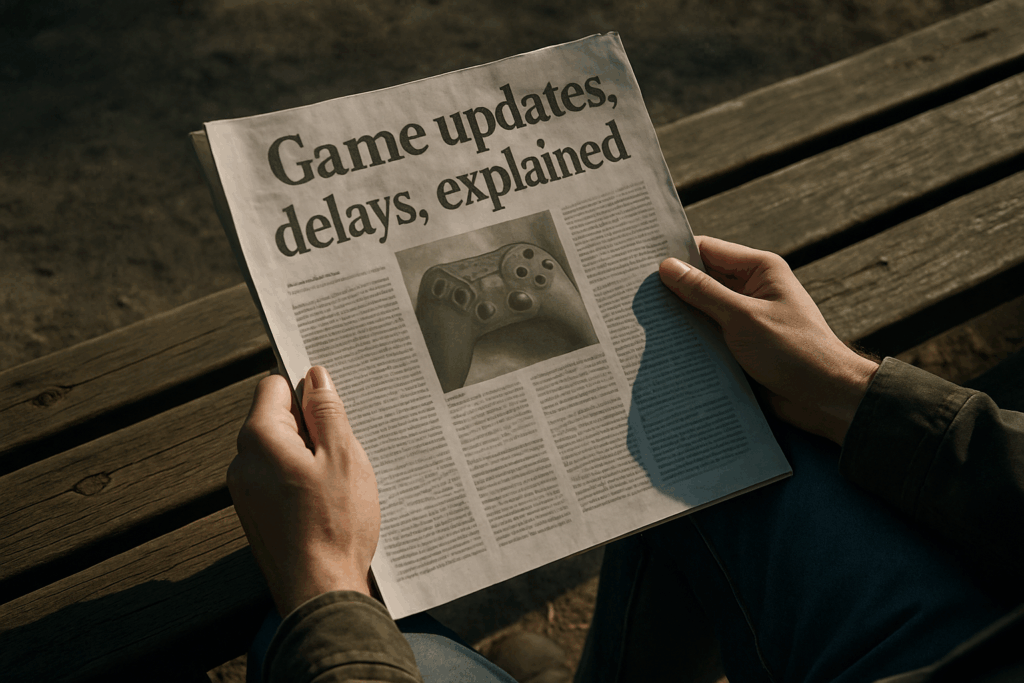
The Reality Behind the Delay
Game update delays aren’t just about missed deadlines. They usually come down to a short but brutal list: bugs that break core mechanics, balance issues that wreck competitive integrity, and server stress tests that reveal cracks under player traffic. If any one of those fails, the experience tanks not just on day one, but long after. That’s not a risk most studios can afford.
Still, players love to say, “Just ship it.” That mindset doesn’t hold up. Today’s games are massive, complex ecosystems. One broken system can snowball, and patches on top of broken patches only set devs up for a longer road. Waiting the extra week to smooth out load balancing or AI logic is often the difference between chaos and a smooth launch.
Then there’s the human cost. Crunch culture baked into the industry for years, forcing devs to pull 70 hour weeks just to hit arbitrary dates. More studios are pushing back. A delay isn’t always a failure sometimes it’s triage. It means the devs go home before midnight and the game launches without a meltdown. If the extra wait keeps both game and team healthy, that’s not a bad trade.
Updates Aren’t Just Cosmetic
Game updates often look like small patches on the surface, but they tend to carry much more than just a skin refresh or a few balance changes. Under the hood, they tackle fundamental issues that help keep the game stable, secure, and optimized for different hardware and online environments.
The Cost of Technical Debt
As games continue to evolve post launch, developers accumulate what’s known as technical debt. This is the result of rushed decisions, temporary fixes, or outdated systems that need regular maintenance. Left unmanaged, technical debt can compound problems and stall future development.
What contributes to technical debt:
Legacy code that becomes difficult to update or debug
Quick fixes made under strict deadlines
Features built on unstable foundations
These factors increase the need for backend work, making ongoing updates less about adding new content and more about ensuring the game doesn’t break with each change.
What a Patch Is Really Fixing
Every new patch may come with a list of visible tweaks, but many updates also address issues that players never see. These updates are critical for maintaining performance and protecting both player data and game integrity.
Common hidden updates include:
Security fixes that prevent cheating, hacking, or data breaches
Performance improvements for smoother frame rates or reduced loading times
Platform optimization, ensuring stability across consoles and PC builds
These updates often require extensive testing, which can delay their release but greatly improve the player experience in the long run.
Why Updates Are Essential
For a more in depth look into how and why regular updates are so vital to game ecosystems, check out this recommended read:
???? Why Games Need Updates—a developer’s perspective on what really goes into each new version.
Ultimately, while content updates may get attention, it’s the invisible fixes that keep your favorite games running smoothly long after launch.
What Delays Mean For Players
Game updates are often met with excitement, but when they’re delayed, frustration quickly follows. However, players rarely see the full picture a gap between expectation and reality that can ultimately affect the player developer relationship.
The Expectation vs. Reality Dilemma
Many players expect steady content drops and regular updates, but game development isn’t always that linear. Unexpected technical challenges or changes in design direction can push timelines back significantly.
Players often expect dates announced months ahead to be final
Behind the scenes, timeline shifts are common and sometimes necessary
External hype and marketing cycles can add pressure to meet deadlines prematurely
When a Delay Actually Improves the Game
Delays, while disappointing in the short term, often lead to more polished experiences. Taking additional time allows developers to address gameplay imbalances, improve performance, and conduct thorough testing.
Delayed updates can reduce bugs and optimize performance
Time spent refining mechanics often improves long term engagement
Waiting ensures better compatibility across systems and platforms
The Silent Treatment: When Devs Go Quiet
One of the biggest issues surrounding delays is the lack of communication. When developers don’t explain the reasons behind the postponement, players are left guessing and often assume the worst.
Silence creates distrust and fuels misinformation within communities
Clear updates even if there’s no new launch date help manage expectations
Studios that share roadblocks and reasoning often retain stronger community support
To bridge this gap, transparency becomes essential. Letting players in on the process builds empathy, trust, and sustained interest even when deadlines have to shift.
Trust, Transparency, and Patch Notes
The dev teams that win the most trust aren’t always the fastest they’re the ones who communicate clearly. Studios like Larian (Baldur’s Gate 3) or Digital Extremes (Warframe) have set the tone: they give honest ETAs, explain delays without fluff, and release patch notes that actually tell players what changed and why it mattered. Transparency isn’t a PR bonus. It’s survival in a world where delays are expected and patience is rare.
Overhyping an update, or dropping vague promises with no follow up, usually backfires. That kind of hype can create a spike in interest, sure but it crashes harder when expectations aren’t met. Players aren’t looking for perfection. They want to be kept in the loop. Updates don’t just fix a game they show how much the studio is paying attention to the people playing it.
Strong developer player relationships are built the same way as any lasting trust: honesty, clarity, and results backed by words. For context on why this matters in every stage of game lifecycle, check out Why Games Need Updates.
A Better Way Forward
Gamers are passionate and that’s a good thing. But rage tweeting over delays or flaming developers on forums rarely fixes bugs faster. What actually helps? Clear, constructive feedback. When players point out issues with detail and calm, it becomes data the devs can actually use. Studios have teams reading and logging player input. They look for patterns, not noise.
On the dev side, there’s a growing push toward community first update cycles. Instead of surprise drops or months of silence, studios are showing roadmaps, scheduling dev streams, and even letting players vote on feature priorities. It’s not perfect, but it’s a shift toward shared responsibility. The result? More realistic expectations and less public meltdown when a patch slips by a week or two.
But speed still matters. There’s always a trade off between pushing out hotfixes quickly and making sure they don’t introduce new problems. Studios are getting smarter at triaging updates fix what breaks the game first, then come back for polish. Slow and steady isn’t always fun, but it usually avoids the bigger mess.
Players have more influence than they think. Not through shouting, but by staying engaged, staying informed, and letting feedback lead the conversation. That’s how the whole system gets better.
 Juanita Ecklesize is the kind of writer who genuinely cannot publish something without checking it twice. Maybe three times. They came to expert analysis through years of hands-on work rather than theory, which means the things they writes about — Expert Analysis, Upcoming Game Releases, Game Reviews and Insights, among other areas — are things they has actually tested, questioned, and revised opinions on more than once.
That shows in the work. Juanita's pieces tend to go a level deeper than most. Not in a way that becomes unreadable, but in a way that makes you realize you'd been missing something important. They has a habit of finding the detail that everybody else glosses over and making it the center of the story — which sounds simple, but takes a rare combination of curiosity and patience to pull off consistently. The writing never feels rushed. It feels like someone who sat with the subject long enough to actually understand it.
Outside of specific topics, what Juanita cares about most is whether the reader walks away with something useful. Not impressed. Not entertained. Useful. That's a harder bar to clear than it sounds, and they clears it more often than not — which is why readers tend to remember Juanita's articles long after they've forgotten the headline.
Juanita Ecklesize is the kind of writer who genuinely cannot publish something without checking it twice. Maybe three times. They came to expert analysis through years of hands-on work rather than theory, which means the things they writes about — Expert Analysis, Upcoming Game Releases, Game Reviews and Insights, among other areas — are things they has actually tested, questioned, and revised opinions on more than once.
That shows in the work. Juanita's pieces tend to go a level deeper than most. Not in a way that becomes unreadable, but in a way that makes you realize you'd been missing something important. They has a habit of finding the detail that everybody else glosses over and making it the center of the story — which sounds simple, but takes a rare combination of curiosity and patience to pull off consistently. The writing never feels rushed. It feels like someone who sat with the subject long enough to actually understand it.
Outside of specific topics, what Juanita cares about most is whether the reader walks away with something useful. Not impressed. Not entertained. Useful. That's a harder bar to clear than it sounds, and they clears it more often than not — which is why readers tend to remember Juanita's articles long after they've forgotten the headline.