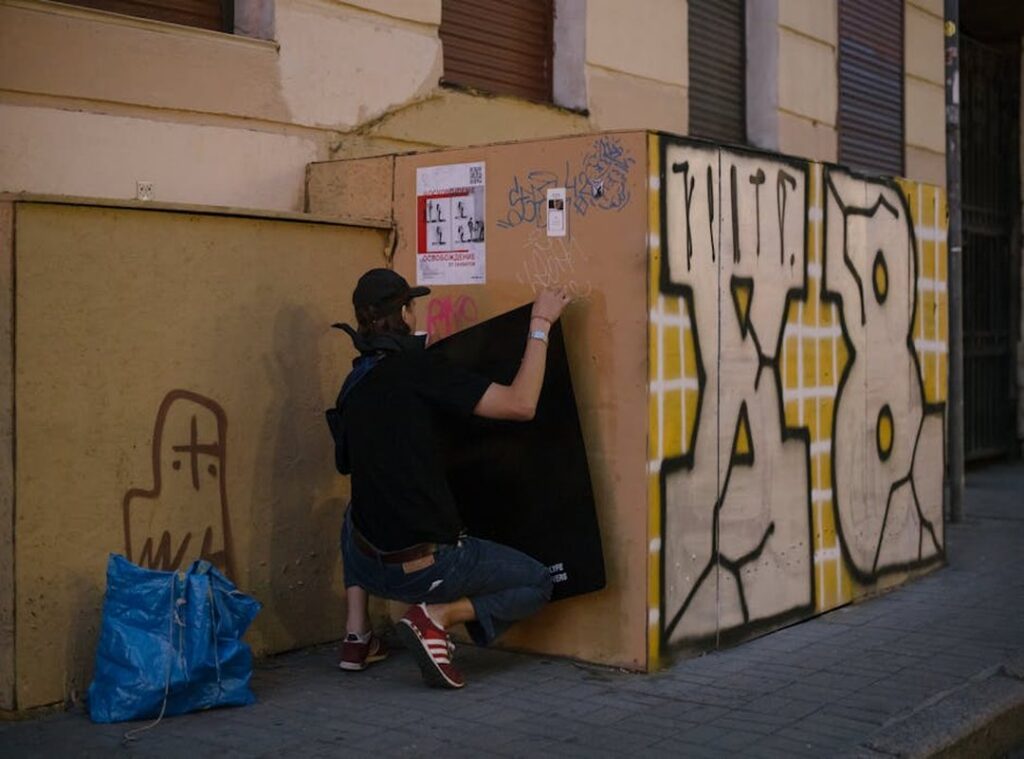
I’ve been in the graffiti scene for years, and let me tell you, it’s not just about spray paint and stencils. It’s about making a statement, and do you want to stand out?
Good, because that’s what callejero graffitis faciles is all about.
This guide will show you the ropes, from picking the right tools to mastering techniques. No fluff, just real, practical advice. You might be thinking, “Why should I trust this?” Well, I’ve been there, done that, and I know what works.
We’ll cover everything you need to create impactful street art. Whether you’re a beginner or an experienced artist, you’ll find something useful here. Let’s get started.
Understanding Street Art Graffiti
Street art graffiti is a form of visual expression that’s been around for decades. It started as simple tags and has evolved into complex, colorful murals.
Graffiti plays a big role in urban culture. It gives a voice to the community and can spark conversations about social issues. Some people see it as vandalism, but others view it as a legitimate art form.
There are different types of graffiti, each with its own style and meaning. Tags are like signatures, usually quick and simple. Throw-ups are more elaborate, often using bubble letters.
Murals are large, detailed artworks that can cover entire walls.
Callejero graffitis faciles are a great way to start if you’re interested in trying it out. Just remember, always practice on legal walls or in designated areas.
Essential Tools and Materials
Spray Paint: Types of spray paint, how to choose the right one, and basic handling techniques. When it comes to spray paint, you’ve got a few options. Acrylic and enamel are the most common.
Acrylic dries fast and is water-based, making it easier to clean up. Enamel, on the other hand, is more durable and resistant to weather.
Markers and Pens: Overview of different markers and pens used in graffiti, including their pros and cons. For detailed work, markers and pens are your go-to. Oil-based markers are great for smooth, bold lines.
Water-based ones are perfect for quick, clean work. Just remember, oil-based can be a bit messier.
Other Tools: Caps, stencils, gloves, and other essential equipment for creating high-quality graffiti. Caps control the spray width and pattern, and stencils help with precision and repeating designs.
Gloves keep your hands clean and protect from fumes.
Pro tip: Always test your spray paint on a small, inconspicuous area first. This way, you can see how it looks and adjust if needed.
When you’re starting out, callejero graffitis faciles can be a great way to practice and build your skills. Keep it simple at first, then gradually add more complexity as you get comfortable.
Basic Techniques for Beginners
How you hold the can makes all the difference. Grip it like a pencil, not a baseball bat. This way, you get more control and less hand cramping.
Creating smooth, consistent lines takes practice. Start with basic shapes—circles, straight lines, and curves. These are the building blocks of any design.
Circles can be tricky. Try to keep your wrist loose and move in a fluid motion. Straight lines?
Keep your arm steady and move from your shoulder, not just your wrist.
Curves are where things get interesting, and practice making S-shapes and C-shapes. They add flow and movement to your designs.
Now, let’s talk about tagging. A tag is like your signature in the graffiti world. It’s simple but personal.
Start with block letters and then add your own style.
First, sketch out your tag lightly. Then, go over it with a bold line. Add some flair with shadows or outlines.
Remember, it’s all about making it your own.
One thing I see a lot of beginners miss is the importance of practice. Don’t just spray once and call it a day. Spend time on callejero graffitis faciles.
Small, simple tags in a sketchbook or on a wall can help you build confidence and skill.
Pro tip: Always shake the can before you start. This mixes the paint and gives you a smoother, more even spray.
By mastering these basics, you’ll have a solid foundation to build on. And who knows, you might just find your unique style along the way.
Advanced Techniques for Experienced Artists
Throw-Ups: Quick, stylized letters and how to execute them efficiently. These are all about speed and impact. You want to get your name up fast and make it stand out.
Shading and Fills: Techniques for adding depth and dimension to your graffiti. This is where you can really make your art pop. Color blending and gradients add that extra layer of professionalism.
It’s not just about the colors; it’s about how they flow and blend together.
Stenciling: How to create and use stencils for more intricate designs and patterns. Stencils are a game-changer. They let you repeat complex designs with precision.
Plus, they save time and effort, especially when you’re working on a large scale.
I’ve seen some artists get too caught up in the details. Sometimes, simplicity is key. callejero graffitis faciles, for example, show that you don’t need to overcomplicate things to make a statement.
Pro tip: Practice your shading and fills on scrap paper first. It’s a lot easier to mess up there than on a wall. Trust me, I’ve learned this the hard way.
the role of game demos and betas in pre launch success
Planning and Executing a Graffiti Project
Choosing a location is like picking the right canvas for your masterpiece. Legal and ethical considerations are crucial. You don’t want to end up in trouble, right?
Find spots that are designated for street art or get permission from property owners. It’s like asking to borrow someone’s wall for a bit.
Sketching and design come next. Think of it as the blueprint for your project. Start with rough sketches.
Get those ideas out of your head and onto paper. Refine your concept. Make sure it fits the space you’ve chosen.
It’s like tailoring a suit; you want it to look just right.
Execution is where the magic happens, and first, prep your area. Clean the surface, set up your materials.
It’s like setting the stage before a performance. Next, start with the outlines, and this is your foundation.
Fill in the details, layer by layer. It’s like building a puzzle, piece by piece.
Final touches make all the difference, and add highlights, shadows, and any small details. It’s like putting the cherry on top of a sundae.
Stand back and admire your work. callejero graffitis faciles can be a great way to start if you’re new to this. Keep practicing, and you’ll see your skills grow.
Legal and Ethical Considerations
Understanding the Law: It’s crucial to know the legal issues related to graffiti. You need to get permits and permissions before you start. This way, you avoid fines and legal trouble.
Respect for Public and Private Property: Always respect property. Vandalism is not cool. It damages trust and can ruin your reputation as an artist.
Community Engagement: Work with local communities and organizations. They can help you create positive, sanctioned graffiti projects. This builds good relationships and can lead to more opportunities.
- Understand the Law: Know the rules and get the right permits.
- Respect Property: Avoid vandalism and build a good reputation.
- Engage with the Community: Collaborate on sanctioned projects.
By following these steps, you can enjoy creating callejero graffitis faciles without the risk of legal issues or damaging your standing in the community.
Elevate Your Graffiti Skills
Mastering callejero graffitis faciles involves a blend of techniques and creativity. Start by perfecting your lettering, then move on to more complex designs. Use the right tools for the job, like spray paints and markers.
Practice is key; it helps you refine your style and technique. Creativity sets your work apart, so don’t be afraid to experiment with colors and shapes. Always respect the spaces where you create, and seek permission when necessary.
Engage with the community, share your art, and learn from others. Keep pushing your boundaries and enjoy the journey of artistic expression.
 Juanita Ecklesize is the kind of writer who genuinely cannot publish something without checking it twice. Maybe three times. They came to expert analysis through years of hands-on work rather than theory, which means the things they writes about — Expert Analysis, Upcoming Game Releases, Game Reviews and Insights, among other areas — are things they has actually tested, questioned, and revised opinions on more than once.
That shows in the work. Juanita's pieces tend to go a level deeper than most. Not in a way that becomes unreadable, but in a way that makes you realize you'd been missing something important. They has a habit of finding the detail that everybody else glosses over and making it the center of the story — which sounds simple, but takes a rare combination of curiosity and patience to pull off consistently. The writing never feels rushed. It feels like someone who sat with the subject long enough to actually understand it.
Outside of specific topics, what Juanita cares about most is whether the reader walks away with something useful. Not impressed. Not entertained. Useful. That's a harder bar to clear than it sounds, and they clears it more often than not — which is why readers tend to remember Juanita's articles long after they've forgotten the headline.
Juanita Ecklesize is the kind of writer who genuinely cannot publish something without checking it twice. Maybe three times. They came to expert analysis through years of hands-on work rather than theory, which means the things they writes about — Expert Analysis, Upcoming Game Releases, Game Reviews and Insights, among other areas — are things they has actually tested, questioned, and revised opinions on more than once.
That shows in the work. Juanita's pieces tend to go a level deeper than most. Not in a way that becomes unreadable, but in a way that makes you realize you'd been missing something important. They has a habit of finding the detail that everybody else glosses over and making it the center of the story — which sounds simple, but takes a rare combination of curiosity and patience to pull off consistently. The writing never feels rushed. It feels like someone who sat with the subject long enough to actually understand it.
Outside of specific topics, what Juanita cares about most is whether the reader walks away with something useful. Not impressed. Not entertained. Useful. That's a harder bar to clear than it sounds, and they clears it more often than not — which is why readers tend to remember Juanita's articles long after they've forgotten the headline.