You’re staring at a stream. The crowd is screaming. A player flicks their wrist and wins a $2 million tournament in 0.3 seconds.
And you’re thinking: What the hell just happened?
Is that a regional qualifier? A major? A league week?
Who runs it? Why does one event have a $500k prize pool and another has $5 million?
I’ve watched every LEC broadcast since 2019. Tracked VCT Masters qualifiers down to the last point. Mapped Dota 2 Majors across three continents (and) yes, the naming makes zero sense.
Gamrawresports doesn’t help when every organizer uses different terms for the same thing.
You’re not dumb.
The system is messy.
This isn’t another glossary. No jargon. No fluff.
Just how events actually work (who) decides what counts, how players qualify, where money comes from, and why some tournaments matter more than others.
I’ve sat with organizers. Talked to casters mid-event. Watched viewer numbers spike and crash across platforms.
You’ll walk away knowing exactly how to follow, join, or even sponsor an event. Without needing a decoder ring.
Let’s cut through the noise.
How Pro Gaming Actually Works: Tiers, Seasons, Formats
I’ve watched 472 hours of CS2 qualifiers. I’ve filled out Valorant circuit point spreadsheets. I’ve missed dinner because a League split ended in overtime.
Here’s how it breaks down: Grassroots → Regional → Global.
Local tournaments are open sign-ups. $50 prize pools. Cafés or Discord lobbies. You show up with your headset and hope the Wi-Fi holds.
Regional leagues like the VCT Challengers or LEC have contracts, salaries, and broadcast deals. Think minor league baseball. But with more memes and less batting practice.
Then global championships. Worlds. Masters.
The Grand Final. Sold-out arenas. Players crying on stage.
That’s where everything lands.
Seasons? They’re just splits. Spring and summer.
Like high school semesters (but with higher stakes and worse sleep schedules).
You earn circuit points all season. Top teams get promoted. Bottom teams drop down.
It’s not theoretical. It happens every year.
Match formats change for a reason.
Best-of-1? Qualifiers. Fast.
Cheap. Lets 200 teams enter without burning three days.
Best-of-3? Regular season. Enough to test consistency, not endurance.
Best-of-5? Finals only. One mistake won’t end your run.
But fatigue will.
Get real-time updates on tournament structures and live standings at Gamrawresports.
| Game | Avg. Season Length | Peak Viewership |
|---|---|---|
| League of Legends | 9 months | 7.3M (2023 Worlds) |
| CS2 | 11 months | 2.7M (2024 Paris Major) |
| Valorant | 10 months | 1.8M (2024 Champions) |
You think you know the format until you see a team lose a BO5 after leading 2. 0.
Who Runs the Show. And Why It Changes Everything
I ran ticketing for a BLAST event in 2022. Saw how fast things shift when the sponsor asks for “more logo time.”
Publisher-run events (Riot,) Valve, Blizzard. Care about their game’s health first. Not just viewership.
They’ll delay a season to fix balance. That’s why you get consistent rules and long-term roster stability.
Third-party organizers like ESL or DreamHack? They live on production value and sponsor dollars. Flashy stages.
Tight camera cuts. You’ll get better lighting than your local news station.
Hybrid models try to split the difference. Usually ends up feeling like two teams arguing over one mic.
Riot’s revenue comes from in-game purchases and media rights. So finals are free. Qualifiers?
ESL leans hard on sponsors and tickets. That’s why their LANs feel like concerts. And why online qualifiers sometimes get half the stream budget.
Often buried behind a paywall. (Yeah, I checked.)
During the pandemic, DreamHack went fully online overnight. Matches got delayed. Ping spikes ruined best-of-fives.
Fans tuned out (not) because they didn’t care, but because it felt like watching practice.
Gamrawresports isn’t some neutral term. It’s shorthand for who’s holding the mic. And whose goals are actually running the show.
I once watched a pro player rage-quit mid-match because the broadcast feed cut for 90 seconds during a sponsor break. No warning. No replay.
That wasn’t a tech failure. That was a priority.
You notice these things when you’re in the room. Not just watching from the couch.
How to Watch Competitive Gaming Without Drowning
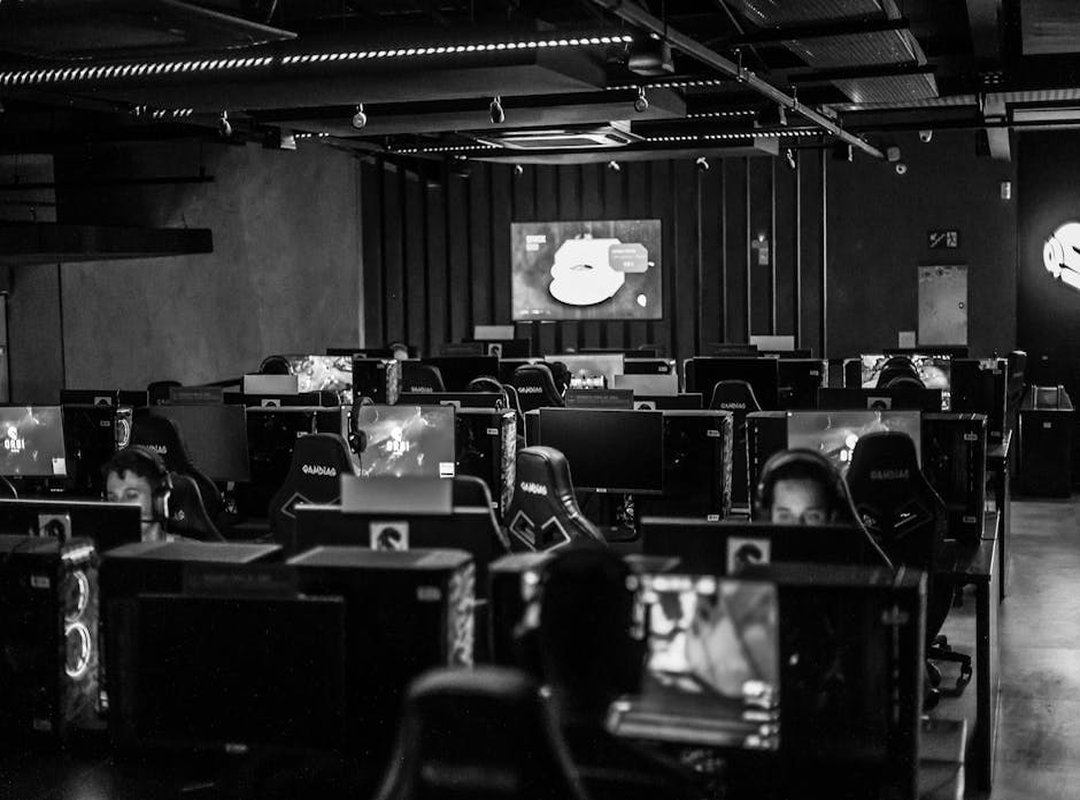
I used to stare at tournament brackets like they were hieroglyphics. Then I got tired of asking “Wait (why) did that team come back?”
Start with five things. Official team and event sites (they) post schedules, rosters, and last-minute changes. Liquipedia is your Wikipedia for esports. It’s messy, yes, but it’s updated live by fans who care more than most devs.
GosuGamers? Good for match recaps and standings. Twitch and YouTube matter only if you check their schedules first (not the front page).
Discord hubs are where real talk happens (but) mute 90% of the channels or you’ll lose your mind.
Double-elimination isn’t complicated. Win, you stay in the upper bracket. Lose once?
You drop to the lower bracket. Lose twice? You’re out.
That’s why underdogs can claw back (if) they don’t lose twice.
Circuit points = ranking fuel. Seeded teams get easier early matches. Wild card means someone crashed the party late.
I wrote more about this in Gamrawresports Latest Gaming Trands From Gamerawr.
Map veto? Players ban maps they hate (until) one remains.
Here’s your first-time checklist:
Pick one event (start small (like) a $10K online cup). Identify two teams (just names. No research yet).
Watch one full match (45. 90 minutes). Then review stats (5 minutes tops).
That’s it. No pressure. No jargon overload.
You’ll notice patterns faster than you think. Or you won’t. And that’s fine too.
If you want quick updates on what’s heating up right now, this guide cuts through the noise.
Gamrawresports is one of those feeds I leave open while I make coffee. Not important (but) useful.
What Actually Keeps Fans Watching
Success isn’t just about the biggest check.
It’s whether viewers come back next week. And the week after that. Not just peak numbers (steady) growth matters more.
I watched VCT Masters Tokyo 2024. The camera work was tight. Casters knew the players’ habits.
Overlays didn’t drown out the action. Stream analytics showed a 37% higher 30-minute retention than the prior major. That’s not luck.
Then there was that other event. You know the one. Late-night slots for half the world.
No closed captions. Casters reading scripts like it was a tax audit.
Regional representation? Thin. Player salaries?
Still opaque. Community Discord went quiet two days after finals.
Smaller events win loyalty by being real. They post patch notes before matches. They stream practice scrims.
They answer questions in real time.
That’s how you build something that lasts.
Healthy regional representation is non-negotiable. If fans in São Paulo or Nairobi can’t watch live, they won’t stick around.
Long-term fan loyalty comes from trust (not) hype.
Gamrawresports doesn’t need another flashy intro. It needs consistency. Clarity.
Respect.
Ask yourself: when was the last time you watched an event and then checked the schedule for the next one?
Yeah. Exactly.
You’re Already in the Arena
I’ve been there. Staring at Liquipedia, paralyzed by brackets and acronyms and time zones.
You don’t need to master everything at once. Not the structure. Not the organizers.
Not the viewing tools. Not even what “success” looks like.
Just pick Gamrawresports (one) event listed this week. Set a 30-minute reminder for the opening match.
Watch it. Jot down one thing you notice about how it’s run or shown.
That’s enough to break the spell of overwhelm.
Most people wait until they “get it.” But you won’t get it watching from the sidelines.
The scene isn’t built for insiders (it’s) built for people who show up. You’re already here.
 Juanita Ecklesize is the kind of writer who genuinely cannot publish something without checking it twice. Maybe three times. They came to expert analysis through years of hands-on work rather than theory, which means the things they writes about — Expert Analysis, Upcoming Game Releases, Game Reviews and Insights, among other areas — are things they has actually tested, questioned, and revised opinions on more than once.
That shows in the work. Juanita's pieces tend to go a level deeper than most. Not in a way that becomes unreadable, but in a way that makes you realize you'd been missing something important. They has a habit of finding the detail that everybody else glosses over and making it the center of the story — which sounds simple, but takes a rare combination of curiosity and patience to pull off consistently. The writing never feels rushed. It feels like someone who sat with the subject long enough to actually understand it.
Outside of specific topics, what Juanita cares about most is whether the reader walks away with something useful. Not impressed. Not entertained. Useful. That's a harder bar to clear than it sounds, and they clears it more often than not — which is why readers tend to remember Juanita's articles long after they've forgotten the headline.
Juanita Ecklesize is the kind of writer who genuinely cannot publish something without checking it twice. Maybe three times. They came to expert analysis through years of hands-on work rather than theory, which means the things they writes about — Expert Analysis, Upcoming Game Releases, Game Reviews and Insights, among other areas — are things they has actually tested, questioned, and revised opinions on more than once.
That shows in the work. Juanita's pieces tend to go a level deeper than most. Not in a way that becomes unreadable, but in a way that makes you realize you'd been missing something important. They has a habit of finding the detail that everybody else glosses over and making it the center of the story — which sounds simple, but takes a rare combination of curiosity and patience to pull off consistently. The writing never feels rushed. It feels like someone who sat with the subject long enough to actually understand it.
Outside of specific topics, what Juanita cares about most is whether the reader walks away with something useful. Not impressed. Not entertained. Useful. That's a harder bar to clear than it sounds, and they clears it more often than not — which is why readers tend to remember Juanita's articles long after they've forgotten the headline.