I’ve been gaming long enough to remember when updates didn’t exist.
You bought a game and that was it. Bugs stayed bugs. Broken mechanics stayed broken.
Now your console or PC downloads patches constantly. Sometimes right when you want to play. It’s annoying.
But here’s the thing: those updates are the only reason your favorite games still work.
Why do games need updates jogametech? Because modern games are more complex than the software running most businesses. They break in ways developers can’t predict until millions of players start testing every corner of the code.
I’ve covered game development for years. I’ve watched studios scramble to fix game-breaking exploits and seen competitive scenes collapse because a patch came too late.
This article explains why updates aren’t just about fixing what’s broken. They keep games secure, balanced, and worth playing months after launch.
You’ll learn what’s actually happening when that download bar crawls across your screen. From critical security patches to the gameplay tweaks that keep competitive scenes alive.
No fluff about the future of gaming. Just the real reasons why that 15GB update matters more than you think.
The First Line of Defense: Stability, Performance, and Bug Fixes
Let’s talk about what updates actually do.
Not the flashy stuff. Not the new skins or weapons everyone posts about on Reddit.
I mean the real work. The stuff that keeps your game from crashing when you’re three hours into a raid.
Bug fixes are the backbone of every game that survives past launch.
You boot up a game and it freezes on the loading screen. Or you’re mid-match and suddenly you’re staring at your desktop. That’s not just annoying. It’s a trust issue.
When developers push updates that fix these problems, they’re doing more than patching code. They’re showing you they give a damn.
Now here’s where it gets interesting.
I think we’re going to see a shift in how studios approach post-launch support. The old model of waiting weeks for a major patch? That’s dying. Players won’t tolerate it anymore (and honestly, they shouldn’t have to).
Quality of life improvements matter more than most devs realize. That clunky menu system you fight with every time you want to change your loadout? A good update smooths that out. Makes everything feel tighter.
Performance optimization is where the magic happens.
Your frame rate jumps from 45 to 60. Loading times drop by half. Suddenly the game you were about to uninstall feels playable again.
This is why do games need updates Jogametech covers so closely. Because these aren’t minor tweaks. They’re the difference between a game that works and one that doesn’t.
Console players know this better than anyone. When an update drops that fixes stuttering on older hardware, that’s HUGE. It means you don’t need to drop $500 on new equipment just to play the game you already bought.
Here’s my prediction: within two years, we’ll see real-time patching become standard. Not weekly updates. DAILY micro-fixes that address issues as they pop up.
The studios that figure this out first? They’ll own their communities.
Keeping the World Alive: Content Expansion and Player Retention
You boot up your favorite game after a week away.
There’s a new update waiting. New map. New character. Maybe a limited event that wasn’t there before.
That’s not an accident.
Most articles about game updates focus on the technical side or the marketing hype. But here’s what they don’t tell you. Updates aren’t just about fixing bugs or adding features. They’re about keeping you in the game.
Let me explain why do games need updates jogametech and what’s really happening behind the scenes.
The Live Service Model
Games used to be finished products. You bought them, played through the content, and moved on.
Not anymore.
Modern games are platforms. They’re designed to grow and change over time. Think of them less like movies and more like TV shows that keep adding seasons. As modern games evolve into expansive platforms akin to ongoing TV series, the insights from Jogametech highlight how developers can effectively engage players through continuous updates and immersive storytelling. As modern games evolve into expansive platforms akin to ongoing TV series, the insights from Jogametech highlight how developers can effectively adapt their narratives and gameplay mechanics to keep players engaged over time.
Updates are how developers deliver that evolution. Without them, even the best game becomes stale within months.
New Content Drops
So what actually comes in these updates?
The obvious stuff includes new story chapters that extend the narrative. New playable characters with different abilities. Fresh maps that change how you approach the game.
Then there are weapons and gear that shift the meta. Cosmetic items that let you customize your experience.
But here’s what most coverage misses. The timing and type of content matters just as much as the content itself. Drop a new character too early and players get overwhelmed. Wait too long and they’ve already left for another game.
Developers at jogametech track this balance constantly. It’s part science, part gut feeling.
Seasonal Events and Limited-Time Modes
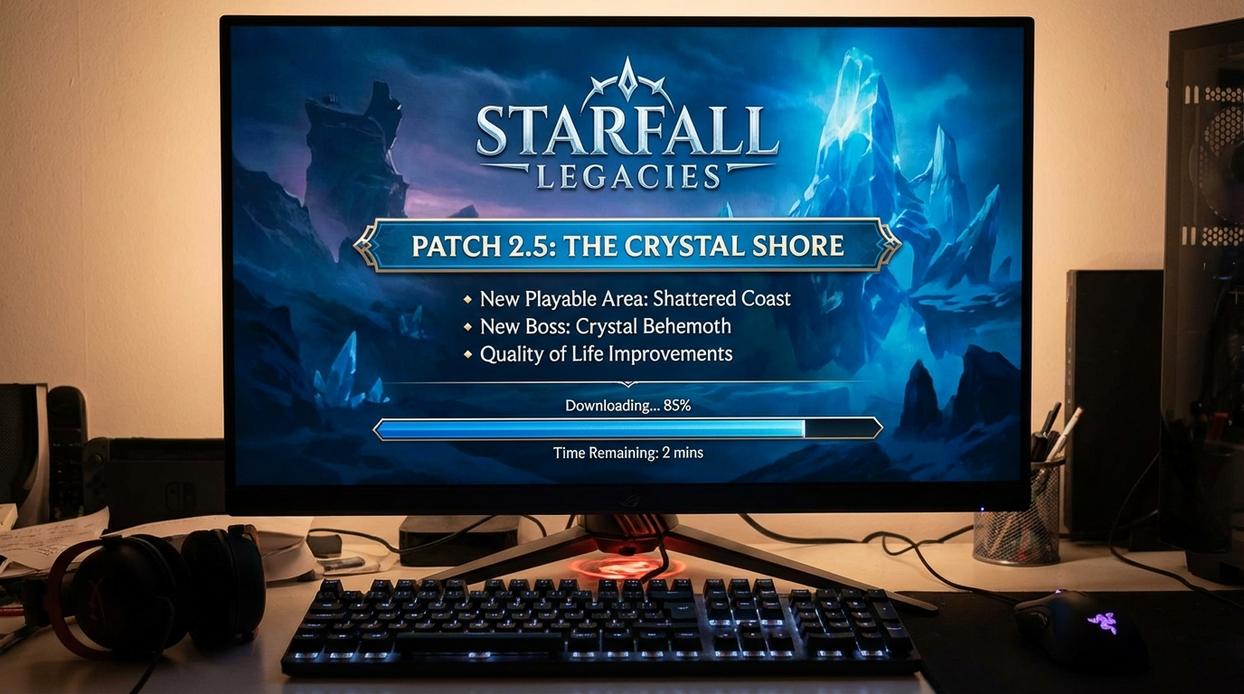
You know that Halloween event in your game? Or the summer festival that shows up every June? This ties directly into what we cover in How to Update a Gaming Pc Jogametech.
Those aren’t just fun additions.
They create a calendar. A rhythm that trains you to check back regularly. Miss this week’s event and you miss exclusive rewards you can’t get anywhere else.
Limited-time modes work the same way. They offer fresh experiences without permanently changing the core game. You get variety without losing what you loved in the first place.
This is why you see players logging in daily or weekly even when they’ve “finished” everything. There’s always something new on the horizon.
Economic Engine
Now let’s talk about the part some players don’t like hearing.
Updates cost money to make. A lot of money.
New content drops also fuel the game’s economy. Battle passes. Direct purchases for skins or characters. Season passes that unlock premium rewards.
Some people say this ruins gaming. That it’s all just a cash grab.
But think about it differently. These purchases fund the next update. The next character. The next map. Without that revenue stream, live service games can’t exist.
The best developers find a balance. They give you enough free content to stay engaged while offering paid options for players who want more.
It’s not perfect. But it’s what keeps your favorite games running years after launch instead of shutting down after six months.
The Art of Balance: Meta-Shifts and Competitive Integrity
You’ve probably heard players complain about the “meta” ruining their favorite game.
But what does that actually mean?
The metagame (or just meta) is the collection of strategies and character picks that dominate at any given time. It’s what everyone’s running because it works better than everything else.
When the meta gets stale, games die. Not literally, but you know what I mean. Everyone runs the same three characters. Every match feels identical. You can predict what’s coming before the round even starts.
I’ve watched games lose half their player base because developers refused to touch the balance.
Here’s where nerfs and buffs come in.
Nerfs reduce the power of something that’s too strong. Buffs make weak options more viable. It sounds simple, but getting it right is tricky. Nerf too hard and you kill a playstyle entirely. Buff too much and you just create a new problem.
The best developers treat balance like a conversation. They watch the data, listen to players (sort of), and make small adjustments over time. A weapon that dominates this patch might get toned down next month. A character nobody plays might get new tools that make them worth trying. In the ever-evolving landscape of competitive gaming, developers who embrace the principles of Jogametech understand that maintaining balance is an ongoing dialogue shaped by player feedback and data analysis, allowing them to fine-tune gameplay dynamics with each patch. In the ever-evolving landscape of game balance, developers like those at Jogametech understand that the key to success lies in fostering an ongoing dialogue with their community, ensuring that every adjustment reflects both player feedback and data analytics.
This creates something important: strategic diversity.
When balance patches drop regularly, players experiment. They test new builds. They discover counters to popular strategies. Suddenly you’re seeing ten different viable approaches instead of one boring meta everyone copies.
That’s why do games need updates jogametech covers this stuff so closely. These patches aren’t just technical fixes. They’re what keeps games alive.
And for esports? Balance is everything.
No one wants to watch the same mirror match for the hundredth time. Professional play needs variety to stay exciting. When every team can bring different strategies and still compete, that’s when tournaments get interesting.
Fair competition requires constant monitoring. The moment one strategy becomes unbeatable, the scene suffers. Players optimize the fun right out of the game (it happens faster than you’d think).
Games that succeed in competitive spaces all share one thing. They respect balance as an ongoing process, not a one-time achievement.
Future-Proofing: Adapting to New Gaming Technology
Your GPU fan spins up. The screen flickers for a second. Then suddenly, reflections in puddles look real. Like you could reach through the monitor and touch them.
That’s what happens when a game gets patched for ray tracing years after launch.
Here’s what most people don’t realize. Games aren’t frozen in time after release. They evolve. They adapt. They get better as the hardware around them gets better.
Some developers say it’s not worth the effort. Why spend resources updating a three-year-old game when you could be working on the next one? They’ve got a point. It costs money and time.
But think about what you’re missing.
Your new GPU sits there with all this power and nothing to use it on. The SSD you dropped $200 on loads games in the same 45 seconds it used to. That stings.
I’ve watched games transform after hardware updates. Cyberpunk 2077 went from choppy mess to smooth experience once DLSS support rolled out. The Witcher 3 got a complete visual overhaul in 2022, years after people thought it was done.
The screen tears less. Load times drop from minutes to seconds. Textures pop in sharper than they did at launch.
This is why do games need updates jogametech keeps covering. Because your gaming rig shouldn’t feel outdated six months after you build it.
Graphics APIs change too. DirectX 12 replaced DirectX 11. Vulkan keeps getting faster. Console firmware updates add features that didn’t exist at launch.
Without patches, games break. They crash on startup. They refuse to run on Windows 11. They ignore your new controller.
The hum of your PC shouldn’t be wasted on old code.
Securing the Gates: Anti-Cheat and Exploit Prevention
You boot up your favorite multiplayer game and within minutes you’re getting destroyed by someone who’s clearly cheating.
It ruins everything.
Here’s what most players don’t realize. Every time a developer pushes an update, there’s usually a hidden war happening behind the scenes. Cheat makers are constantly probing for weaknesses while developers race to patch them.
It’s exhausting for both sides.
Some people argue that anti-cheat systems are too invasive. They don’t want software running deep in their system just to play a game. And I get that concern. Privacy matters. We explore this concept further in Jogametech Gaming New From Javaobjects.
But think about the alternative.
Without strong anti-cheat measures, you’re basically playing in the Wild West. The cheaters win and honest players leave. I’ve watched entire communities collapse because developers couldn’t keep up with exploit creators.
That’s why understanding why do games need updates jogametech becomes so important. These aren’t just random patches. They’re the difference between a healthy game and a dead one.
When you compare games with active anti-cheat support versus those without it, the difference is stark:
Games with strong anti-cheat:
- Stable player populations
- Fair competitive scenes
- Healthy in-game economies
Games without it:
- Rampant cheating
- Frustrated legitimate players
- Broken economies from duplication exploits
The truth is simple. Every update that closes a loophole protects your experience. When developers fix an item duplication bug or patch a wall hack, they’re keeping the game playable for everyone else. In the ever-evolving landscape of online gaming, staying informed about essential updates and bug fixes is crucial, and for the latest insights, Gaming News Jogametech offers a comprehensive look at how developers are dedicated to maintaining a fair and enjoyable experience for all players. To navigate the complexities of online gaming and ensure a fair playing field, staying updated with the latest changes through platforms like Gaming News Jogametech is essential for every player.
It’s not perfect. Cheat makers will always find new games jogametech to exploit.
But that’s exactly why the updates never stop.
Updates as Evolution, Not Interruption
I’ve shown you that game updates aren’t just minor fixes.
They’re a complex process that keeps your games stable, fresh, balanced, and secure. Every download serves a purpose.
Yeah, waiting for a 50GB update is frustrating. I get it.
But that initial annoyance is a small price to pay for a game that actually works. One that stays fair and doesn’t get overrun by hackers or broken mechanics.
When you understand the ‘why’ behind updates, something shifts. They stop feeling like interruptions and start looking like what they really are: ongoing development that keeps the games you love alive.
Think about it this way. Without updates, your favorite multiplayer game would be a mess within weeks. Exploits would run wild and new content would never arrive.
Next time you see that update notification pop up, pause for a second. Ask yourself which function it’s serving. Is it patching a security hole? Adding new content? Fixing that bug that’s been driving everyone crazy?
why do games need updates jogametech exists to help you understand these processes better. To see past the download bar and recognize the work happening behind the scenes.
Updates aren’t interruptions. They’re evolution in real time. Gaming News Jogametech.
 There is a specific skill involved in explaining something clearly — one that is completely separate from actually knowing the subject. Ozirian Drovayne has both. They has spent years working with esports coverage and highlights in a hands-on capacity, and an equal amount of time figuring out how to translate that experience into writing that people with different backgrounds can actually absorb and use.
Ozirian tends to approach complex subjects — Esports Coverage and Highlights, Player Strategy Guides, Upcoming Game Releases being good examples — by starting with what the reader already knows, then building outward from there rather than dropping them in the deep end. It sounds like a small thing. In practice it makes a significant difference in whether someone finishes the article or abandons it halfway through. They is also good at knowing when to stop — a surprisingly underrated skill. Some writers bury useful information under so many caveats and qualifications that the point disappears. Ozirian knows where the point is and gets there without too many detours.
The practical effect of all this is that people who read Ozirian's work tend to come away actually capable of doing something with it. Not just vaguely informed — actually capable. For a writer working in esports coverage and highlights, that is probably the best possible outcome, and it's the standard Ozirian holds they's own work to.
There is a specific skill involved in explaining something clearly — one that is completely separate from actually knowing the subject. Ozirian Drovayne has both. They has spent years working with esports coverage and highlights in a hands-on capacity, and an equal amount of time figuring out how to translate that experience into writing that people with different backgrounds can actually absorb and use.
Ozirian tends to approach complex subjects — Esports Coverage and Highlights, Player Strategy Guides, Upcoming Game Releases being good examples — by starting with what the reader already knows, then building outward from there rather than dropping them in the deep end. It sounds like a small thing. In practice it makes a significant difference in whether someone finishes the article or abandons it halfway through. They is also good at knowing when to stop — a surprisingly underrated skill. Some writers bury useful information under so many caveats and qualifications that the point disappears. Ozirian knows where the point is and gets there without too many detours.
The practical effect of all this is that people who read Ozirian's work tend to come away actually capable of doing something with it. Not just vaguely informed — actually capable. For a writer working in esports coverage and highlights, that is probably the best possible outcome, and it's the standard Ozirian holds they's own work to.