
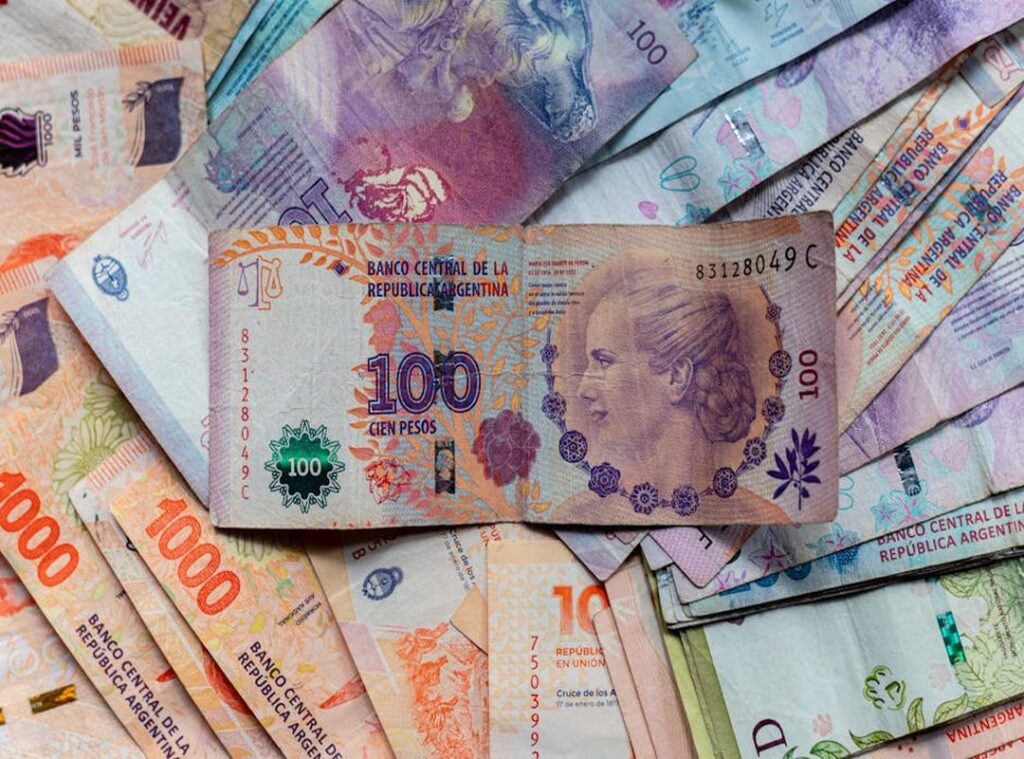
You heard 80 soles a peso chileno in Starfield and thought, “Did I just mishear that?” No, you didn’t. It’s a real line from an NPC in the game.
This quote might seem strange. After all, soles and pesos are real currencies, but not in this context.
The exchange rate mentioned is completely fictional.
So, what does it mean? That’s what I’m here to explain.
I’ll tell you where this quote comes from, what it means in the game’s lore, and if it has any impact on gameplay.
Stay with me. You’ll get a clear and definitive answer.
Pinpointing the Source: Where You Hear This Strange Quote
You might be wondering where you’ve heard that odd line. It’s in Cydonia, the mining colony on Mars. A generic NPC—often one of the miners or citizens walking around the central hub area—spouts it out.
This line is part of the ‘ambient dialogue’ system. It’s designed to make the world feel more alive and lived-in. Because it’s ambient, it’s easy to miss or only hear once.
The context? It’s usually part of a casual, background conversation that isn’t directed at the player. Just some chatter to add flavor to the environment.
If you want to catch it, try lingering in the main Cydonia hub or near the residential quarters. 80 soles a peso chileno. These areas are hotspots for ambient dialogue.
Remember, because it’s random, you can’t trigger it on command. It won’t start a quest or unique interaction. Just keep your ears open and enjoy the little details that make the game world feel real.
Breaking Down the Real-World Currency Confusion
Let’s talk about the Peruvian Sol (soles) and the Chilean Peso. In the real world, 1 Chilean Peso is worth roughly 0.0041 Peruvian Soles.
Now, in the game, you’ve got this crazy rate of 80 soles a peso chileno. That’s a massive inversion of their real-world values. It makes the peso incredibly valuable in this context.
Why would the game do this? Well, it’s a piece of environmental storytelling. This fictional exchange rate could hint at a massive economic collapse in one region of old Earth and a boom in another before humanity left for the stars.
This kind of detail adds depth to the game’s lore. It shows how Bethesda Game Studios embeds subtle world-building details into its games. These little touches create a richer, more immersive experience.
You get a sense of history and a deeper connection to the game’s universe.
More Than Just Words: A Clue to Starfield’s Lore
A Single Line, a World of History
I was playing through Starfield and came across a line of dialogue that really stuck with me. It was something about how the old national and economic identities of Earth have survived, even if they’re warped and changed by time.
This isn’t just a throwaway line. It shows that the people who colonized space brought their old cultures and economic memories with them.
It adds a layer of realism and history to the universe. Instead of a sterile, brand-new sci-fi setting, Starfield feels ancient and grounded.
Connecting the Dots
Think about it. The game is full of these little lore snippets. For example, you learn about the fate of London and the status of old nations.
Each piece of dialogue or document you find builds on this rich backstory. It’s like a puzzle where every new piece makes the picture clearer.
Why It Matters
This world-building technique is what sets Starfield apart. It makes the universe feel lived-in, not just a shiny, futuristic playground.
You can see the echoes of Earth’s past in the names of places, the way people talk, and even in the economic systems.
Listen Closely
Next time you’re exploring, pay attention to the ambient dialogue. You might catch more clues about the game’s deep history.
It’s these small details that make Starfield such an immersive experience.
If you want to dive deeper into the lore and get more insights, check out Jogametech. They’ve got some great analysis and discussions going on.
80 soles a peso chileno
Even the smallest details, like the mention of “80 soles a peso chileno,” add to the richness of the world. It’s a reminder that the past, no matter how distant, still shapes the present.
Can You Profit From This In-Game? The Short Answer

Can you use this information to make money or exploit the game’s economy? No, you can’t.
The in-game currency is Credits, and there is no mechanic for exchanging or trading old-world currencies like Soles or pesos chileno. 80 soles a peso chileno doesn’t mean anything in the game.
Some players might argue that every detail in the game is there for a reason. They think it’s a hidden quest or a secret vendor. But that’s not the case here.
The line is purely ‘flavor text’ – dialogue intended only to build atmosphere and lore. It’s meant to make the world feel more real and lived-in.
You’re not missing out on an economic opportunity by not being able to act on this information. Trust me, I’ve checked.
The Mystery of the Soles and Pesos, Solved
The key findings reveal that the quote “80 soles a peso chileno” is ambient dialogue from an NPC in Cydonia, Starfield. This fictional exchange rate serves as a fascinating piece of environmental storytelling about Earth’s past. It has no impact on gameplay, so players don’t need to worry about finding a way to use this ‘useless’ information.
These small, hidden details make exploring vast game worlds like Starfield so rewarding for observant players.
 Juanita Ecklesize is the kind of writer who genuinely cannot publish something without checking it twice. Maybe three times. They came to expert analysis through years of hands-on work rather than theory, which means the things they writes about — Expert Analysis, Upcoming Game Releases, Game Reviews and Insights, among other areas — are things they has actually tested, questioned, and revised opinions on more than once.
That shows in the work. Juanita's pieces tend to go a level deeper than most. Not in a way that becomes unreadable, but in a way that makes you realize you'd been missing something important. They has a habit of finding the detail that everybody else glosses over and making it the center of the story — which sounds simple, but takes a rare combination of curiosity and patience to pull off consistently. The writing never feels rushed. It feels like someone who sat with the subject long enough to actually understand it.
Outside of specific topics, what Juanita cares about most is whether the reader walks away with something useful. Not impressed. Not entertained. Useful. That's a harder bar to clear than it sounds, and they clears it more often than not — which is why readers tend to remember Juanita's articles long after they've forgotten the headline.
Juanita Ecklesize is the kind of writer who genuinely cannot publish something without checking it twice. Maybe three times. They came to expert analysis through years of hands-on work rather than theory, which means the things they writes about — Expert Analysis, Upcoming Game Releases, Game Reviews and Insights, among other areas — are things they has actually tested, questioned, and revised opinions on more than once.
That shows in the work. Juanita's pieces tend to go a level deeper than most. Not in a way that becomes unreadable, but in a way that makes you realize you'd been missing something important. They has a habit of finding the detail that everybody else glosses over and making it the center of the story — which sounds simple, but takes a rare combination of curiosity and patience to pull off consistently. The writing never feels rushed. It feels like someone who sat with the subject long enough to actually understand it.
Outside of specific topics, what Juanita cares about most is whether the reader walks away with something useful. Not impressed. Not entertained. Useful. That's a harder bar to clear than it sounds, and they clears it more often than not — which is why readers tend to remember Juanita's articles long after they've forgotten the headline.