
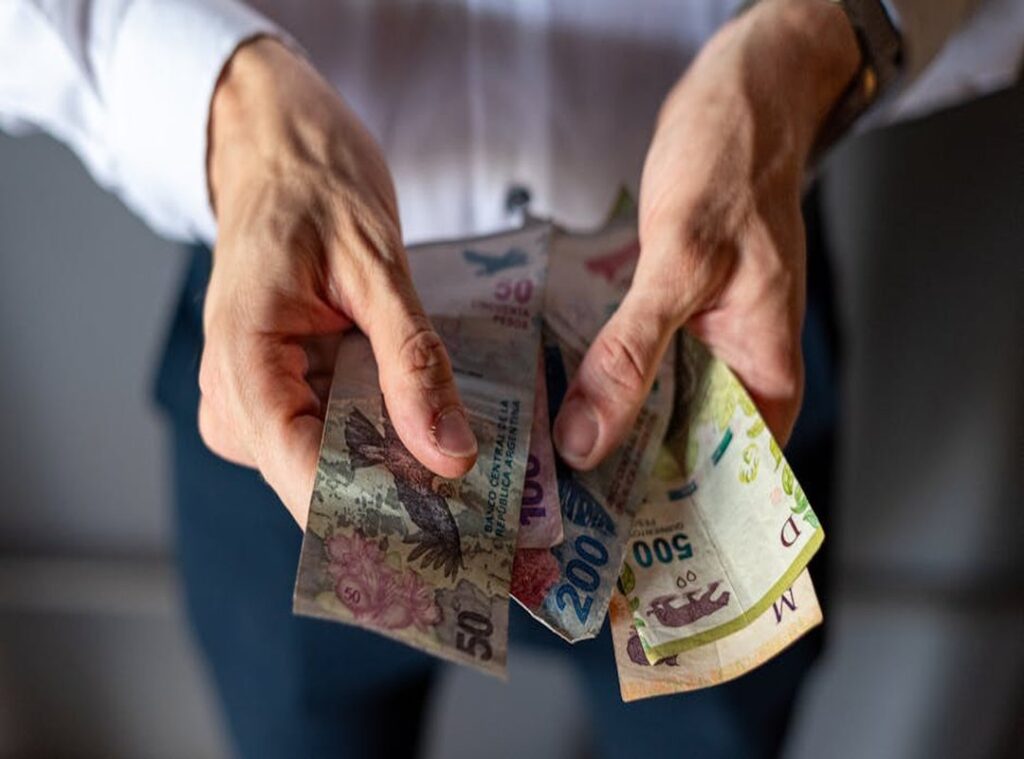
Converting 50 mil pesos chilenos a pesos colombianos can be a headache.
You might be wondering, where do I even start?
I get it. Currency conversion isn’t exactly a walk in the park.
This article will break it down for you.
We’ll cover the current exchange rate and give you a step-by-step guide.
No more confusion. Just clear, straightforward information.
So, let’s dive in.
Understanding the Currencies
When you think of the Chilean peso (CLP), imagine a crisp, colorful bill that feels smooth to the touch. The CLP has been around since 1975 and is used in everyday transactions, from buying fresh produce at the market to paying for a bus ride.
The Colombian peso (COP) is another vibrant currency. It’s got a unique design with images of national heroes and landmarks. You can feel the texture of the paper, and it’s a bit more flexible than the CLP.
- Pesos Chilenos (CLP): The Chilean peso has a rich history, starting in 1975. Today, it’s widely used in daily life, from small shops to big supermarkets.
- Pesos Colombianos (COP): Introduced in 1810, the Colombian peso has seen many changes. It’s now a staple in Colombia, used in everything from street food to high-end shopping.
Both currencies are essential for their respective countries. If you’re traveling, you’ll need to get a feel for them. For instance, 50 mil pesos chilenos a pesos colombianos might sound like a lot, but it’s just a part of the local economy.
Understanding these currencies isn’t just about numbers; it’s about experiencing the culture and the day-to-day life of the people who use them.
Current Exchange Rates
So, you want to know the latest exchange rate from CLP to COP? Got it.
As of the most recent data, 50 mil pesos chilenos a pesos colombianos will get you a certain amount in Colombian pesos. (I wish I could tell you exactly, but that’s what real-time data is for, right?)
Let’s talk about the past year. The exchange rate has been like a rollercoaster ride—up and down, up and down.
Sometimes, it felt like you were getting more bang for your buck, and other times, not so much.
But hey, if you’re into that kind of thrill, maybe you should consider investing in a theme park instead.
Seriously though, keeping an eye on these fluctuations can help you make better financial decisions.
Calculating the Conversion
Alright, let’s get into it. Converting 50 mil pesos chilenos a pesos colombianos can seem tricky, but it’s actually pretty straightforward if you follow these steps.
First, you need to find the current exchange rate between Chilean Pesos (CLP) and Colombian Pesos (COP). You can usually find this on financial news sites or currency conversion tools.
- Find the Current Exchange Rate:
-
Look up the latest exchange rate from CLP to COP. Let’s say, for example, the rate is 1 CLP = 0.004 COP.
-
Convert the Amount:
- Multiply the amount in Chilean Pesos by the exchange rate.
- For 50 mil pesos chilenos, the calculation would be: 50,000 CLP * 0.004 COP/CLP = 200 COP.
So, 50 mil pesos chilenos a pesos colombianos is 200 COP. Simple, right?
Now, let’s break it down with an example to make sure it’s clear.
Example Calculation:
– If 1 CLP = 0.004 COP,
– Then 50,000 CLP * 0.004 COP/CLP = 200 COP.
That’s all there is to it. Just remember, exchange rates can change, so always use the most up-to-date rate for the most accurate conversion.
Online Tools and Resources
When it comes to managing your finances, especially if you’re dealing with multiple currencies, having the right tools can make a huge difference.
Currency Converters:
I use a few different online currency converters, but my go-to is XE. It’s reliable and always up to date. Another solid option is OANDA, which offers more detailed historical data.
Both are great for quick and accurate conversions.
Mobile Apps:
For real-time currency conversion on the go, I recommend the XE Currency app. It’s user-friendly and provides live exchange rates. Another good choice is the TransferWise app, now known as Wise.
It’s not just for conversions; it also helps with international transfers at low fees.
If you need to convert 50 mil pesos chilenos a pesos colombianos, these tools will give you the most accurate and up-to-date rates.
remakes vs originals upcoming titles that reimagine the classics
Factors Affecting Exchange Rates

Economic Indicators: Let’s start with the basics. Inflation is a big deal. When a country’s inflation rate goes up, its currency tends to weaken.
Why? Because higher inflation means the cost of goods and services is rising, making that country’s exports more expensive and less attractive.
Interest rates play a role too. Higher interest rates can attract foreign investors, boosting demand for a country’s currency. But if rates are too high, it might signal economic problems, which can have the opposite effect.
Trade balances matter as well. If a country imports more than it exports, it can lead to a trade deficit. This can devalue the currency because there’s more demand for foreign currencies to pay for those imports.
Political Factors: Now, let’s talk about politics. Political stability is key. Countries with stable governments and predictable policies tend to have stronger currencies.
Investors like certainty, and political unrest can make them nervous, leading to a weaker currency.
Think about it. If you were an investor, would you rather put your money in a country with frequent protests and policy changes, or one where things run smoothly? (I know what I’d choose.)
50 mil pesos chilenos a pesos colombianos. That’s a real-world example of how exchange rates can affect your money. If you’re traveling or doing business across borders, understanding these factors can save you a lot of headaches.
Practical Tips for Currency Conversion
Converting currencies can feel like a maze. But with the right tips, you can navigate it smoothly.
First, timing is everything. Think of it like catching a wave at the beach. You want to catch the best rates when they’re high.
So, keep an eye on the market and convert when the rates are in your favor.
- Tip: Use financial apps that send rate alerts. They can help you spot the perfect moment.
Next, let’s talk about fees. Fees can eat into your money like a termite in wood. You need to minimize them.
- Tip: Compare different providers. Banks, online services, and even some ATMs have different fee structures. Find the one that offers the best deal.
Now, let’s get practical. If you’re converting 50 mil pesos chilenos a pesos colombianos, do your homework. Check multiple sources to see who gives you the most bang for your buck.
- Tip: Consider using peer-to-peer platforms. They often offer better rates because they cut out the middleman.
Lastly, always be aware of hidden fees. Some places might advertise no fees but hide them in the exchange rate. It’s like buying a cheap sandwich only to find out the toppings cost extra.
- Tip: Read the fine print. Make sure you understand all the costs involved before you hit that convert button.
By following these tips, you can make your currency conversions more efficient and less stressful.
Mastering the Art of Currency Conversion
When converting 50 mil pesos chilenos a pesos colombianos, it’s crucial to use the most current exchange rates. Reliable online tools and financial apps can provide these rates, ensuring accuracy in your conversion.
Economic and political factors can significantly influence currency values. Staying informed about these changes is key to making the best financial decisions.
 Juanita Ecklesize is the kind of writer who genuinely cannot publish something without checking it twice. Maybe three times. They came to expert analysis through years of hands-on work rather than theory, which means the things they writes about — Expert Analysis, Upcoming Game Releases, Game Reviews and Insights, among other areas — are things they has actually tested, questioned, and revised opinions on more than once.
That shows in the work. Juanita's pieces tend to go a level deeper than most. Not in a way that becomes unreadable, but in a way that makes you realize you'd been missing something important. They has a habit of finding the detail that everybody else glosses over and making it the center of the story — which sounds simple, but takes a rare combination of curiosity and patience to pull off consistently. The writing never feels rushed. It feels like someone who sat with the subject long enough to actually understand it.
Outside of specific topics, what Juanita cares about most is whether the reader walks away with something useful. Not impressed. Not entertained. Useful. That's a harder bar to clear than it sounds, and they clears it more often than not — which is why readers tend to remember Juanita's articles long after they've forgotten the headline.
Juanita Ecklesize is the kind of writer who genuinely cannot publish something without checking it twice. Maybe three times. They came to expert analysis through years of hands-on work rather than theory, which means the things they writes about — Expert Analysis, Upcoming Game Releases, Game Reviews and Insights, among other areas — are things they has actually tested, questioned, and revised opinions on more than once.
That shows in the work. Juanita's pieces tend to go a level deeper than most. Not in a way that becomes unreadable, but in a way that makes you realize you'd been missing something important. They has a habit of finding the detail that everybody else glosses over and making it the center of the story — which sounds simple, but takes a rare combination of curiosity and patience to pull off consistently. The writing never feels rushed. It feels like someone who sat with the subject long enough to actually understand it.
Outside of specific topics, what Juanita cares about most is whether the reader walks away with something useful. Not impressed. Not entertained. Useful. That's a harder bar to clear than it sounds, and they clears it more often than not — which is why readers tend to remember Juanita's articles long after they've forgotten the headline.